


- Home
- Companies
- TESVOLT GmbH
- Applications
- Energy storage solutions for peak ...
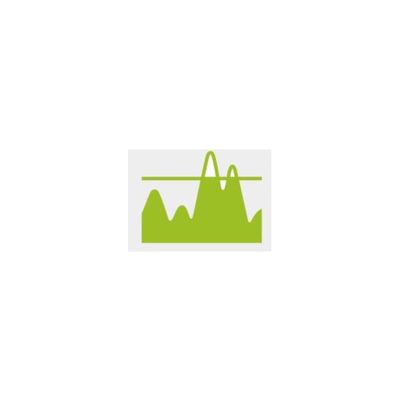
Energy storage solutions for peak shaving sector - Environmental
Cut Costs With Battery Storage Systems: Peak loads are a reality in many operations where electricity consumption spikes at certain times. These peaks drive up electricity bills, because electricity providers need to keep the output available constantly just in case, even if it is only briefly required. This makes it difficult to plan if and when the next peak will happen. To account for this uncertainty, providers raise their bills. Just one peak load can cause costs for the billing period to soar.
The background: where annual consumption exceeds 100,000 kWh, the energy supplier charges a kilowatt-hour rate and a demand rate. The kilowatt-hour rate is calculated for each kWh, while the demand rate is calculated based on the maximum average power level (in kW) within 15-minute intervals. If the average power level exceeds the maximum amount within a single interval, the consumer then has to pay a higher demand rate. Depending on the billing period, this charge can be incurred for up to one year.
This is where TESVOLT battery storage systems come in – with physical peak shaving or peak shaving with a registered load profile (RLM). In both cases, the electricity drawn by installations and machines is controlled so that peak load energy needs are met straight from the battery storage system rather than from the utility grid. This means that load peaks are shaved with physical PS and dynamically balanced with RLM PS. In both cases, this helps customers avoid higher electricity tariffs and cuts their operating costs.
- Avoid being placed in a more expensive tariff
- Cut operating costs
- Make more efficient use of your storage system and write off your investment sooner by peak shaving with RLM
If a peak load occurs above a defined threshold, this is shaved by the battery storage system. The storage system provides the electricity required. As a result, the electricity drawn from the grid is kept within the defined value (the optimised line on the diagram). The storage system is then continually charged from the electricity grid or from a PV installation.