


- Home
- Companies
- Whitebeam d.o.o.
- Articles
- Catalytic woodstoves offer longer burn ...
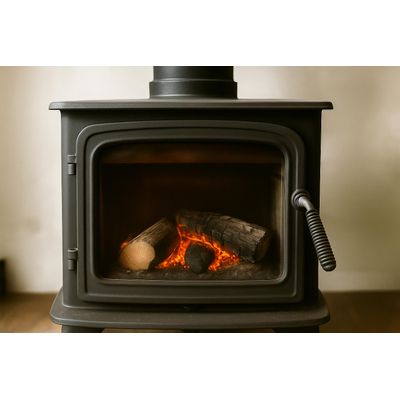
Catalytic woodstoves offer longer burn times and save wood
How catalytic technology is transforming wood heating across Europe
In the ongoing transition toward cleaner, more efficient residential heating, catalytic woodstoves stand out as a powerful example of how thoughtful engineering can transform traditional practices. At Whitebeam d.o.o., we’ve spent years analyzing combustion systems across Europe, and catalytic technology consistently delivers measurable benefits – both in emissions reduction and real-world performance.
While catalytic converters are widely recognized for reducing harmful pollutants such as particulates, hydrocarbons, and carbon monoxide, their advantages extend far beyond compliance or environmental stewardship. One of the most valued performance benefits for homeowners is longer, more stable burn times – often stretching through the night without the need for refueling.
Why conventional woodstoves struggle with slow burns
Woodstoves without fans in the chimney rely on hot gases rising up the chimney to draw air into the fire and maintain clean combustion. When the air flap is closed to slow the fire, the temperature of the flue gases drops. This reduced temperature weakens the chimney’s draft, allowing creosote to condense inside the flue and increasing the risk of smoke leakage or incomplete combustion. The result: more pollution, less efficiency, and greater maintenance costs.
Catalytic converters turn pollution into usable heat
Catalytic woodstoves take a fundamentally different approach. Once heated, the catalytic converter facilitates an exothermic reaction that oxidizes carbon monoxide and unburned hydrocarbons – literally turning would-be pollutants into additional heat. During slow-burn operation, when emissions are naturally higher, the catalyst becomes even more effective, generating enough heat to boost flue gas temperatures by 100°C or more. This ensures a cleaner, stronger chimney draft even when airflow is intentionally restricted.
The result is that slow burning becomes a more practical way of operating a woodstove. Catalytic stoves consistently deliver:
Lower harmful emissions;
A cleaner chimney;
More heat from the same amount of wood;
Longer burn times.
Advancing wood heating technology across Europe
Whitebeam d.o.o. continues to study and promote technologies that improve air quality, energy efficiency, and user experience in residential heating. Catalytic woodstoves are a key example of how innovation can elevate legacy systems while contributing to broader climate and health objectives. By transforming waste gases into heat and supporting stable overnight burns, catalytic systems provide a clear pathway toward cleaner and more efficient wood heating solutions – benefits that resonate with homeowners, regulators, and the heating trade alike.