


- Home
- Companies
- Aimix Group Co., Ltd
- Articles
- Energy Efficiency Improvements with ...
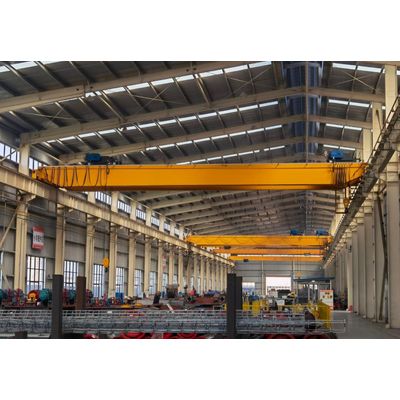
Energy Efficiency Improvements with Frequency Control in 50 Ton Overhead Cranes
Overhead cranes are indispensable in industries where heavy lifting is required, such as manufacturing, construction, and logistics. These cranes are designed to handle large loads, such as machinery, steel beams, containers, and other heavy materials. One common challenge in operating overhead cranes, especially those with high lifting capacities such as the 50-ton cranes, is the amount of energy consumed during operation. Given the increasing emphasis on sustainability, energy efficiency has become a significant concern in modern industrial settings. To address this challenge, frequency control technology has emerged as an effective solution for improving energy efficiency, reducing operational costs, and minimizing the environmental footprint of overhead cranes.
Understanding Frequency Control Technology
Frequency control, also known as variable frequency drive (VFD) or adjustable speed drive (ASD), is a technology used to control the speed of electric motors by adjusting the frequency of the electrical power supplied to the motor. In a 50 ton overhead crane system, the motor drives the hoist, trolley, and bridge, and frequency control allows the operator to regulate the motor's speed according to the operational requirements. The main advantage of using VFDs in overhead cranes is that they allow for more precise control of speed and load handling, leading to significant improvements in energy efficiency.
Frequency control works by converting the alternating current (AC) from the power supply into direct current (DC) and then back into AC at a frequency tailored to the motor’s needs. By adjusting the motor speed based on real-time requirements, VFDs help minimize energy consumption, reduce wear and tear on mechanical components, and extend the lifespan of the crane.
The Importance of Energy Efficiency in 50-Ton Overhead Cranes
In industries with large-scale operations, the energy consumption of overhead cranes can account for a substantial portion of the total energy expenditure. A 50-ton overhead crane, given its high lifting capacity, requires significant energy to operate, particularly when lifting heavy loads or moving at high speeds. Without efficient energy management, the crane can consume excess electricity, leading to higher operating costs and a larger carbon footprint.
Moreover, traditional crane systems without frequency control typically operate at a fixed speed, regardless of the load or task. This results in energy wastage, especially during periods when the crane is not under heavy load. For example, when lifting lighter loads or moving the crane at slower speeds, the motor still operates at full power, leading to unnecessary energy consumption. In contrast, a crane equipped with frequency control can adjust its speed according to the weight of the load and the required lifting speed, significantly improving energy efficiency.
How Frequency Control Improves Energy Efficiency in 50-Ton Overhead Cranes
1. Reduced Power Consumption
One of the most significant advantages of using frequency control in 50-ton overhead cranes is the reduction in power consumption. Traditional cranes often operate with fixed-speed motors, resulting in inefficient energy use. With frequency control, the motor speed can be adjusted to match the load, which optimizes the energy consumption during different stages of operation. For example, during the initial lifting of a load, the crane can gradually increase speed to avoid sudden power surges, thus reducing the overall energy needed. Similarly, when moving lighter loads or traveling at slower speeds, the motor uses less power, leading to lower energy consumption.
This reduction in power consumption directly translates into lower operating costs and improved sustainability for the facility, making frequency control a cost-effective and environmentally friendly solution.
2. Soft Start and Stop for the Crane
Frequency control allows for smooth and controlled starts and stops of the crane. In traditional systems, the motor starts abruptly and requires significant energy to reach the desired speed. This “jerky” operation can lead to power spikes, increased wear on the motor and components, and inefficiencies in energy use. By using a variable frequency drive, the motor accelerates gradually, minimizing energy spikes and reducing stress on mechanical components. The soft start also reduces the mechanical shock on the crane’s structure, leading to a longer lifespan of critical parts like gears, bearings, and cables.
Similarly, when stopping the crane, the frequency control allows for smooth deceleration, preventing sudden energy surges and reducing the amount of energy lost during braking.
3. Optimized Load Handling
The weight of the load being lifted can vary significantly in overhead crane operations. Traditional systems often rely on fixed-speed motors, which do not account for the varying load weight. In contrast, frequency control systems continuously adjust the motor speed and torque based on the weight of the load, providing more efficient handling.
For instance, when lifting a heavy 50-ton load, the crane's motor will operate at full power. However, when handling a lighter load, the motor will adjust its power to a lower level, significantly reducing energy consumption without compromising performance. This capability leads to better overall energy efficiency across a range of lifting tasks.
4. Regenerative Energy Recovery
Some advanced frequency control systems include regenerative energy recovery, which allows the crane to recover energy during braking. When the crane is in motion and the operator applies the brakes, the kinetic energy of the crane’s movement is converted into electrical energy. This energy can be fed back into the electrical grid or used to power other systems in the facility, reducing the overall energy demand.
Regenerative energy recovery systems are especially beneficial in applications where the crane frequently starts and stops, such as in logistics and material handling. By recovering and reusing energy that would otherwise be lost as heat, frequency control technology further improves the overall energy efficiency of the overhead crane for sale.
5. Load Sensing and Adaptive Control
Frequency-controlled overhead cranes can be equipped with load sensing technology, which enables the crane to automatically adjust its operating parameters based on the load it is lifting. This adaptive control ensures that the motor operates at the optimal speed for each specific lifting task, minimizing unnecessary energy use.
For example, if the crane is lifting a 50-ton load, the system can detect the weight and adjust the motor speed and power to ensure efficient lifting. Conversely, when the crane is handling a lighter load, the system will automatically reduce the motor speed and power to conserve energy. This intelligent load sensing system ensures that the crane operates in the most energy-efficient manner possible at all times.
Long-Term Benefits of Frequency Control for 50-Ton Overhead Cranes
1. Cost Savings
The most immediate benefit of implementing frequency control technology in 50-ton overhead cranes is the potential for significant cost savings. By reducing energy consumption, companies can lower their electricity bills and overall operational expenses. Additionally, the reduction in wear and tear on mechanical components means fewer repairs and replacements, further contributing to cost savings.
2. Enhanced Sustainability
As industries are increasingly held accountable for their environmental impact, improving energy efficiency is a key step toward sustainability. The use of frequency control in overhead cranes reduces electricity consumption and minimizes the carbon footprint of crane operations. For companies striving to meet environmental regulations or corporate sustainability goals, frequency control technology provides an effective solution.
3. Improved Equipment Longevity
The gradual acceleration and deceleration enabled by frequency control reduce the mechanical strain on the crane’s components. This not only improves energy efficiency but also extends the life of the crane, minimizing the need for costly repairs or replacements. By optimizing the operation of the motor and other critical components, frequency control helps maintain crane performance and reliability over the long term.
Conclusion
Incorporating frequency control technology into 50-ton overhead cranes offers substantial energy efficiency improvements, making cranes smarter, more sustainable, and cost-effective. By reducing power consumption, enabling smooth starts and stops, optimizing load handling, and providing regenerative energy recovery, frequency control helps crane operators optimize performance and minimize operational costs. Additionally, with growing environmental concerns and the increasing push for sustainability in industrial operations, frequency control presents a practical and effective solution to reduce the carbon footprint and promote green manufacturing practices. As industries continue to evolve, embracing frequency control technology will remain a key factor in enhancing crane performance while driving energy efficiency and reducing costs.