


- Home
- Companies
- Aimix Group Co., Ltd
- Articles
- Long-Term Cost Savings with ...
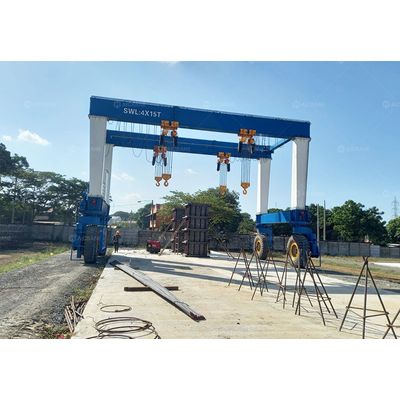
Long-Term Cost Savings with Energy-Efficient RTG Cranes
In today’s fast-paced container terminal operations, efficiency is more than just speed—it’s about reducing costs, improving sustainability, and maximizing the long-term value of every piece of equipment. One of the most important assets in container yards is the Rubber-Tyred Gantry (RTG) crane, widely used for stacking and moving containers horizontally. Traditionally, RTG cranes, especially diesel-powered models, have been major contributors to operational costs due to high fuel consumption, intensive maintenance requirements, and energy inefficiency. However, energy-efficient RTG cranes are rapidly becoming a standard for terminals aiming to reduce total cost of ownership (TCO) while improving operational performance.
In this article, we explore the mechanisms behind long-term cost savings offered by energy-efficient rubber tyred gantry cranes, the strategies for implementation, and why operators should consider investing in these advanced systems.
Understanding Energy Efficiency in RTG Cranes
Energy-efficient RTG cranes are designed to minimize fuel and electricity consumption while maintaining optimal performance. This can be achieved through several methods:
- Electrification: Switching from diesel to electric power using cable reels, busbars, or hybrid battery systems.
- Hybrid Drives: Combining diesel engines with battery systems to reduce engine runtime and recover energy during braking and lowering of loads.
- Lightweight and Optimized Structures: Designing the crane structure to reduce overall weight, which reduces energy required for movement.
- Advanced Control Systems: Incorporating smart control, regenerative braking, and variable frequency drives to maximize energy utilization and reduce waste.
By implementing these measures, energy-efficient RTGs consume significantly less fuel or electricity, produce fewer emissions, and often require less maintenance, all of which contribute directly to cost savings over the crane’s operational life.
Key Areas of Long-Term Cost Savings
Energy-efficient RTG cranes provide cost savings in several critical areas:
1. Reduced Fuel and Electricity Consumption
Fuel and electricity costs are among the largest operational expenses for RTG crane operations. Diesel-powered RTGs running at full capacity for thousands of hours a year can consume enormous amounts of fuel. According to industry data, optimizing the crane structure and adopting all-electric or hybrid drives can reduce fuel consumption by 30% to 70%, depending on usage and system design.
For example, a standard diesel RTG might consume 12 liters of fuel per hour. Over 3,000 hours of operation annually, that amounts to 36,000 liters. At an average cost of €1.25 per liter, fuel expenses total around €45,000 per crane per year. By switching to an energy-efficient hybrid or fully electric system, annual energy costs could drop to just €6,000, saving approximately €39,000 annually per crane. When multiplied across a fleet of 10 or more RTGs, the savings become substantial.
2. Lower Maintenance Costs
Diesel engines and hydraulic systems are complex and require frequent maintenance. Regular servicing, oil changes, engine repairs, and component replacements add to operational expenses and downtime. Energy-efficient RTG cranes, especially those that are fully electric or hybrid, have fewer moving parts, reduced engine runtime, and simpler mechanical systems. This not only reduces maintenance costs but also extends the interval between service cycles, contributing to overall cost efficiency.
Reduced wear and tear on components, smoother crane movement, and optimized load handling also prolong the lifespan of critical parts like motors, brakes, and gearboxes. Consequently, energy-efficient RTGs can last longer without requiring expensive replacements, further lowering total lifecycle costs.
3. Extended Crane Lifecycle and Higher Utilization
Energy-efficient mobile gantry cranes experience less mechanical stress and operate more smoothly, which extends the service life of the equipment. This is particularly important in high-usage terminals, where downtime directly affects throughput. By reducing energy waste and mechanical wear, energy-efficient RTGs maintain higher operational availability.
Higher utilization translates into more container moves per crane and better return on investment. For terminal operators, this is a key metric, as each additional container move without additional energy or maintenance cost effectively improves profitability.
4. Reduced Infrastructure Costs
Energy-efficient RTG cranes often have lower peak energy demands due to regenerative braking, smart controls, and hybrid energy storage systems. This reduction can allow terminal operators to defer or avoid costly infrastructure upgrades, such as larger electrical substations, new fuel storage systems, or upgraded cabling.
Moreover, lightweight crane designs reduce ground pressure, lowering costs for reinforced roadways or foundation requirements in container yards. When considering the overall terminal infrastructure budget, these indirect savings can be significant.
5. Environmental Compliance and Incentives
Energy-efficient RTGs help operators comply with increasingly strict environmental regulations. Diesel engines emit CO₂, NOₓ, and particulate matter, which can be subject to fines or taxes. By reducing fuel consumption and switching to low-emission systems, terminals can lower their environmental footprint and avoid penalties.
In addition, many governments and port authorities offer grants, subsidies, or tax incentives for adopting green technologies. Investing in energy-efficient RTGs can therefore result in both direct cost savings and financial incentives that improve overall ROI.
Return on Investment (ROI) Considerations
Although energy-efficient RTG cranes often require higher upfront investment, the long-term financial benefits outweigh the initial cost. Consider the hypothetical example:
Diesel RTG fuel cost: €45,000/year
Electric/hybrid RTG energy cost: €6,000/year
Annual savings per crane: €39,000
Retrofit or new build cost: €120,000
The payback period for this investment would be approximately three years. Over a 15-year operational lifespan, total savings could exceed €585,000 per crane, not including reduced maintenance, fewer unplanned downtimes, and environmental incentives. For fleets of multiple RTGs, the aggregate savings multiply, representing a major cost advantage.
Practical Implementation Strategies
Assessing Baseline Energy Use
Before investing, operators should assess the current energy and maintenance profile of their RTG fleet. Understanding hours of operation, fuel consumption, idle times, and duty cycles allows for accurate projections of potential savings.
Choosing Between Retrofit and New Build
Energy-efficient solutions can be implemented in two ways:
New RTGs: Equipped from the factory with hybrid or electric drives, regenerative braking, and lightweight structures.
Retrofits: Upgrading existing diesel RTGs with hybrid systems, cable reel electrification, or energy recovery modules.
Each option requires evaluation of terminal infrastructure, downtime availability, and cost-benefit analysis.
Lifecycle Cost Modelling
When comparing options, consider not only upfront cost but also fuel/electricity expenses, maintenance, downtime, component replacements, and residual value at end of life. This holistic approach ensures the true long-term savings are captured.
Maintenance Planning
Proper training for maintenance personnel is critical, especially for hybrid and electric systems. Predictive maintenance, remote monitoring, and regular servicing can extend equipment life and maintain optimal energy efficiency.
Case Example
In one European port, retrofitting a fleet of ten diesel RTGs with hybrid battery systems resulted in annual fuel savings of approximately €390,000. Maintenance costs dropped due to reduced engine usage, and downtime was minimized because of fewer mechanical failures. The combined effect of energy savings, lower maintenance, and improved productivity achieved a payback period of just under four years, demonstrating the clear financial benefits of energy-efficient RTG adoption.
Conclusion
Energy-efficient RTG cranes represent a strategic investment for modern container terminals. Beyond immediate operational improvements, they deliver substantial long-term cost savings through reduced fuel and electricity consumption, lower maintenance requirements, extended equipment lifespan, and infrastructure optimization. Additionally, they contribute to environmental sustainability and regulatory compliance, while often qualifying for financial incentives.
For terminal operators, the decision to adopt energy-efficient RTGs is not just a matter of equipment choice—it is a business decision that enhances profitability, supports sustainability goals, and strengthens competitive advantage. By considering the full lifecycle cost and integrating energy-efficient technology into their RTG fleet, operators can achieve meaningful cost savings that compound over years of operation, ensuring a more efficient and sustainable future for their container handling operations.