


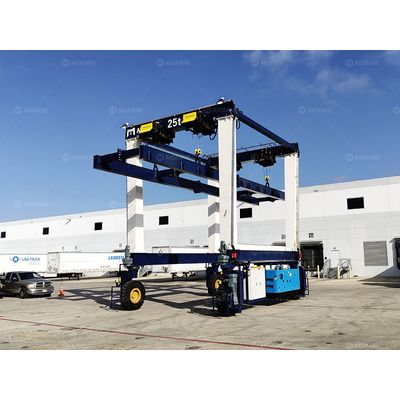
Trends in Energy‑Efficient Rubber Tyred Gantry Crane (RTG) Design
In today’s industrial landscape, environmental sustainability and energy efficiency have become key drivers of engineering innovation. Rubber Tyred Gantry (RTG) cranes serve as critical material‑handling equipment in ports, container terminals, and logistics hubs, but they are also among the largest energy consumers in these environments. As global pressure mounts to reduce carbon emissions, lower operating costs, and improve operational efficiency, manufacturers and operators alike are accelerating the adoption of energy‑efficient RTG crane designs. This article explores the leading trends shaping energy‑efficient RTG cranes—from hybrid power systems and regenerative technologies to smart controls and alternative fuels.
1. The Push Toward Energy Efficiency
RTG cranes were traditionally powered by large diesel engines. While diesel RTG rubber tyre gantry cranes offer high torque and reliable power for moving heavy containers, they are inherently inefficient and produce significant greenhouse gas emissions, particulate matter, and noise pollution. For this reason, sustainability goals set by ports and government regulators are pushing the industry to rethink RTG energy systems.
Energy‑efficient design not only aligns with environmental policies but also delivers financial benefits. Fuel and electricity often represent a major portion of terminal operating costs. Reducing energy usage directly improves competitiveness by lowering costs per container moved.
2. Diesel‑Electric Hybrid Systems
One of the most transformative trends in energy‑efficient RTG design is the adoption of hybrid power systems—particularly diesel‑electric hybrids.
A traditional diesel RTG runs its engine at high power continuously, even when idle. Hybrid RTGs, by contrast, combine a smaller diesel generator with a large battery bank. The system operates the diesel engine at optimal, fuel‑efficient speeds while batteries supplement peak power demands and capture excess energy.
Key benefits of diesel‑electric hybrid RTGs include:
- Lower fuel consumption: Running the diesel engine at constant, efficient load levels reduces specific fuel use.
- Reduced emissions: With batteries handling peak loads and idle periods, total emissions decline.
- Energy storage: Batteries store energy that would otherwise be wasted, notably during braking or lowering loads.、
- Operational flexibility: Hybrid cranes can operate longer without refueling.
This trend is especially strong in regions with strict emissions standards, such as ports in Europe, North America, and parts of Asia.
3. Full Electrification and Shore Power
Beyond hybrids, some terminals are transitioning to fully electric gantry cranes powered by shore power or terminal grid connections. Electrification eliminates on‑board diesel combustion entirely, delivering the biggest possible reduction in emissions and noise.
There are two major electric RTG configurations:
- Cable Reel Systems: Power cables feed directly from the terminal electricity grid to the crane. While effective, movement limits are imposed by the cable length and reel system design.
- Busbar or Trolley Systems: Fixed high‑voltage conductors run along crane travel paths. The crane connects via pantograph or collector shoes.
Electric RTGs deliver several advantages:
- Zero on‑site emissions
- Lower maintenance costs
- Smoother, quieter operation
- Compatibility with renewable grid energy
The main challenge for full electrification is the infrastructure requirement. Upgrading terminals to provide high‑capacity grid power, safety systems, and electrical distribution networks requires capital investment. Nonetheless, as renewable energy penetration increases and grid costs decrease, fully electric RTGs are becoming more economically attractive.
4. Regenerative Power Technologies
Energy‑efficient RTG cranes are also incorporating regenerative energy capture—a technology similar to what’s used in electric vehicles.
When a crane lowers a container or decelerates, kinetic energy is normally wasted as heat. Regenerative systems instead capture this energy and either:
- Store it in on‑board batteries
- Return it to the electrical grid (in electrified systems)
- Use it for auxiliary systems such as lighting or HVAC
This approach improves overall energy utilization and reduces the total demand from prime movers (diesel generators or grid power). Intelligent power conversion systems ensure captured energy is efficiently managed without harming equipment.
5. Smart Controls and Automation
Energy efficiency isn’t just about hardware—it’s equally about intelligence in operations.
Modern RTG cranes are increasingly equipped with smart control systems that optimize energy usage through:
- Dynamic load sensing: Adjusting power delivery based on actual load requirements
- Idle reduction algorithms: Shutting down or throttling engines and motors when not in active use
- Predictive scheduling: Prioritizing movements to reduce unnecessary travel and waiting timesReal‑time energy monitoring: Providing operators and managers with dashboards showing energy usage patterns
Some systems even use artificial intelligence (AI) to predict where future container moves will occur, enabling cranes to minimize movements and reduce fuel or electricity consumption.
By leveraging these digital tools, terminals can cut energy waste, extend equipment life, and improve throughput.
6. Lightweight and High‑Strength Materials
Mechanical design also plays a role in energy efficiency. By using advanced materials, engineers reduce the mass of critical components without sacrificing strength.
Examples include:
- High‑strength steel alloys
- Composite materials in non‑structural elements
- Optimized structural design using finite element analysis (FEA)
Reducing a crane’s mass means less energy is required to accelerate, decelerate, and carry loads. While material costs can be higher, long‑term fuel and wear savings justify the investment.
7. Aerodynamic and Mechanical Efficiency Enhancements
Beyond major systems, smaller design improvements add up. Energy‑efficient RTG trends include:
- Low‑rolling‑resistance tires
- Improved drivetrain efficiency
- Enhanced lubrication and sealing to reduce friction
- Optimized gearing and power transmission systems
Each of these elements contributes to reducing the total energy required for standard operations.
8. Alternative Fuels and Future Energy Sources
While full electric and hybrid systems are the primary focus today, interest in alternative fuels is emerging.
Possible future sources include:
- Hydrogen fuel cells: Zero emissions at point of use and quick refueling times
- Biofuels: Renewable drop‑in diesel alternatives
- Ammonia or synthetic fuels: Lower carbon intensity options for remote or off‑grid applications
These technologies are at various stages of maturity, but as infrastructure expands and costs fall, they represent a forward‑looking trend for truly carbon‑free materials handling.
9. Lifecycle Sustainability and Circular Design
Energy efficiency is only one aspect of environmental performance. Leading designers are thinking about the entire lifecycle of the RTG crane—from raw material extraction to manufacturing, operation, maintenance, and end‑of‑life recycling.
Circular design principles include:
- Reuse of components
- Design for disassembly
- Maximizing recyclability
- Extended service life through modular upgrades
By coupling energy-efficient operation with sustainable lifecycle design, RTG cranes can meet broader environmental and corporate responsibility goals.
Conclusion
Energy‑efficient RTG crane design is no longer a niche concern—it’s a central requirement for modern ports and logistics operations. Driven by environmental regulation, cost pressures, and sustainability commitments, the industry is embracing a range of innovative solutions: from hybrid powertrains and full electrification to regenerative energy systems, smart controls, and advanced materials. As these technologies mature, operators stand to benefit from lower energy consumption, reduced emissions, improved productivity, and greater long‑term resilience.
For ports and terminals seeking to remain competitive in the coming decades, investing in energy‑efficient RTG cranes is both a strategic and responsible decision—one that supports economic performance while safeguarding the environment.