


AEG Identifikationssysteme GmbH products
Transponders - Glass Transponder
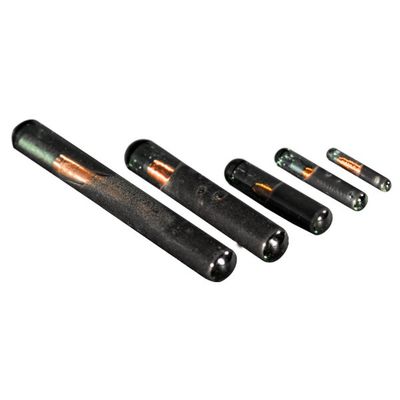
AEG - Model ISO Glass ID 162 - Glass Transponder
The ID 162 is a transponder designed for animal identification in compliance to ISO 11784/11785. It is available as injectable transponder as well. Types with EM4305 und Hitag S are programmed with customer specific data or country coding.
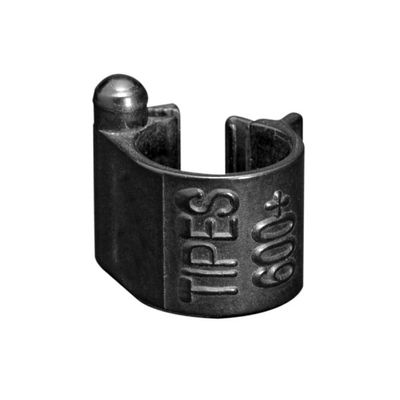
AEG - Pigeon Ring
The pigeon ring is mainly used to identify race pigeons. The chip in this ring contains an internal random generator for the alterable part of the ring number. This feature is unique and the security is much higher than on any other pigeon ring on the market.
Readers
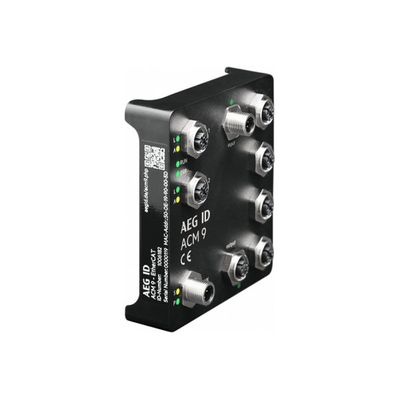
AEG - Model ACM 9 - Communication Module
The ACM 9 communication module connects the ARE i9 readers with the latest interfaces. At the same time, it can be used as a multiplexer, as up to 4 readers can be connected. This can be done in a mix, so LF and HF components can be combined.
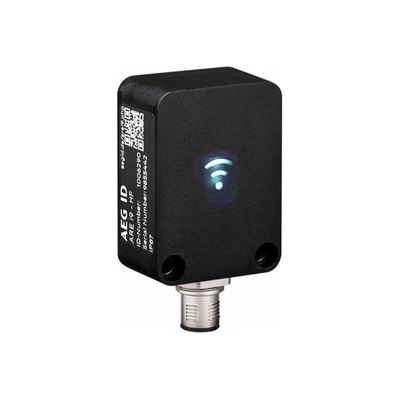
AEG - Model ARE i9 LF - Compact Reader
The ARE i9 LF reader combines all common LF algorithms in one device. The extremely compact design and the possibility of mounting directly on metal makes it an ideal reader for all industrial applications.
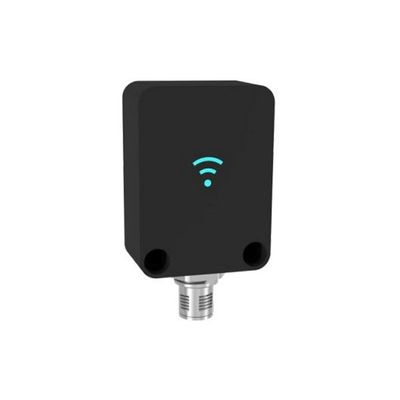
AEG - Model ARE i9 HF - Industrial Reader
The ARE i9 HF reader is based on the HF ISO 15693 and works with all common NFC and HF chips. The extremely compact design and the possibility of mounting directly on metal makes it an ideal reader for all industrial applications as well as for operator login to machines and systems.
Antennas
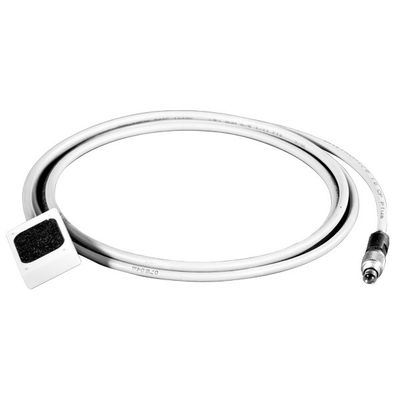
AEG - Model Antenna ANN X1 - Passive Unit
The antenna ANN X1 is a passive unit designed for the ARE i2 reader. Because of its small dimensions ( 30x40 mm ), it is well suited as well for both, static as well as dynamic applications. It is available as air core coil or ferrite coil respectively.
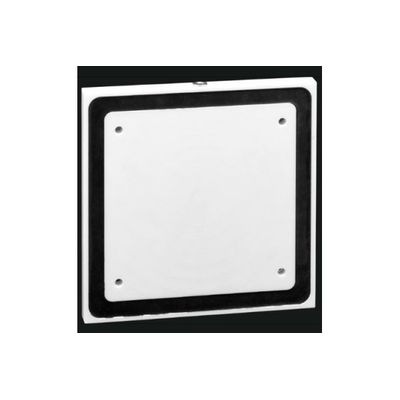
AEG - Model AAN X2L - Antenna
The antenna ANN X2L is a passive unit designed for the ARE i2 reader. It is well suited for both, static as well as dynamic applications.
Transponders - Industry Transponder
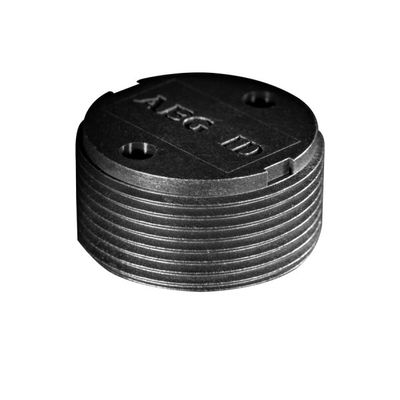
AEG - Fit Plug
The Fit Plug is a transponder for harsh, industrial applications. Through it´s robust construction it is primarily designed for high variations in temperature mainly seen in waste ID.