

Bioenergy and Sustainable Technologies GmbH (BEST) products
Biorefineries
Bioenergy - Thermochemical Biomass Conversion Technologies
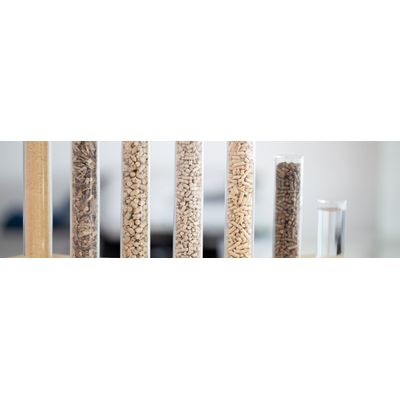
Thermochemical conversion of biomass enables the production of energy (heat and electricity) as well as the co-production of renewable carbon products (biochar, bio-oils and gases) for a wide range of applications (e.g. agriculture, plastics production or metallurgy). Sub-Area 1.1 Thermochemical Technologies focuses on the development, optimization and demonstration of pyrolysis, gasification and combustion technologies as integral parts in renewable and distributed energy systems. A wide range of organic raw materials and residues are used as feedstocks, preferably at the end of cascading utilization concepts, creating additional value through the utilization of residues.

Bioenergy - Biochemical Biomass Conversion Technologies
Our work on biotechnological conversion follows the principle of cascading utilization. We develop biotechnological processes for the conversion of biomass, residues and CO2 to various products (gaseous or liquid energy carriers, basic chemicals, higher value products for the chemical industry, biofertilizers).
Bioenergy - Syngas Platform Technologies
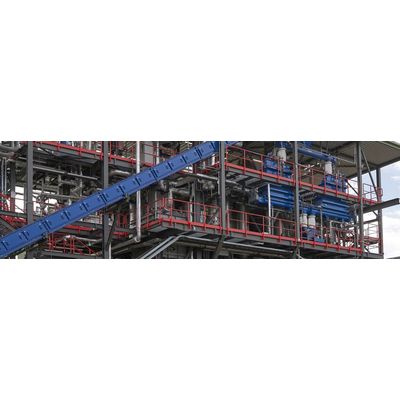
The utilization of biomass, residues and waste by thermo-chemical gasification is the core of this competence area. Through the gasification process we convert biomass, residues and waste into syngas; this is the basis of synthetic fuels (FT diesel, FT kerosene, methanol), gaseous energy carriers (hydrogen and synthetic natural gas) or chemicals. Using renewable raw materials (biomass, sewage sludge, ...), the production and use of these products are CO2 neutral. In our vision of a future-proof and sustainable energy supply, this conversion of biomass, residues and waste into storable energy carriers plays an important role. (Surplus) electricity from wind and solar power plants can also be used in the form of additional hydrogen for the syntheses and thus be stored in carbonhydrates.
Digital Methods and Solutions
Sub-Area - Model 2.3 - Microgrids und Smart Energy Communities Technologies
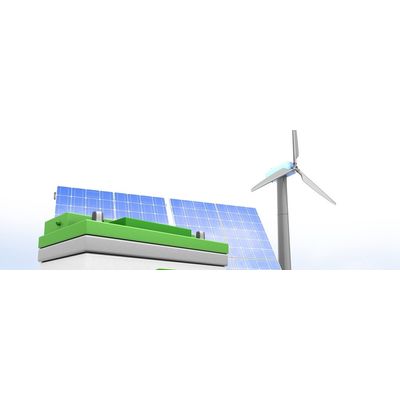
In the Sub-Area 2.3 we deal with the development of standardized, holistic tools for the planning and control of decentralized energy systems (energy communities, cellular energy systems) and microgrids.
Cross Cutting Topics
Bioenergy - Biomass Conversion - Biofuels Transportation
The conversion of biomass into fuels for transportation is the focal issue within our competence field of biofuels. Within this field, we strive to develop applications for novel biomass resources as well as innovative conversion technologies through biological, biotechnological and thermo-chemical processes.