


Canadian Renewable Energy Association services
Life Cycle
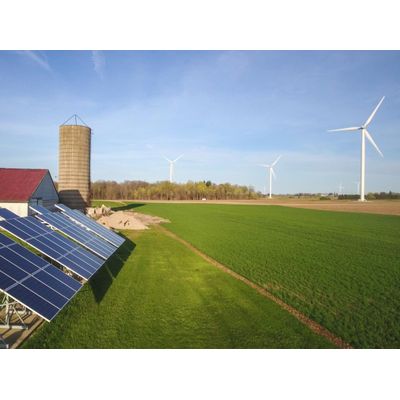
Developing Wind and Solar Energy Storage Solutions
New innovations are constantly being developed in the rapidly evolving field of wind energy, solar energy and energy storage. The first phase in the life cycle of our three technologies is development. Renewable energy project development relies on innovative vision, careful planning and a lot of hard work. This applies both to consumers looking to generate and store power at their own property, and to multinational companies wanting to invest in a utility-scale development project. In all cases, community engagement and siting considerations are paramount.
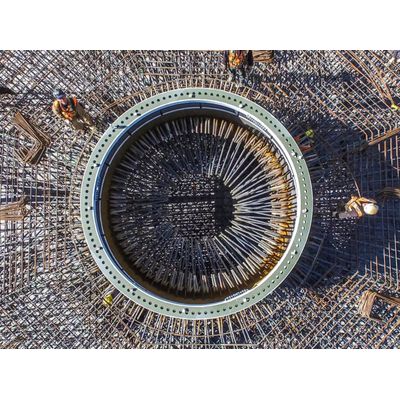
Construction and Installation Solutions for Renewable Energy Projects
In the rapidly evolving field of wind energy, solar energy and energy storage, new innovations are constantly being included in construction and installation. Once the project planning and siting protocols are completed, and all the appropriate permits, contracts, and agreements are in place, then construction and installation begins, as the second phase in the life cycle of our three technologies. Today’s construction projects continue to push the limits of physical scale and sophistication. Wind turbine components can be spotted moving down our highways on trailers that exceed the length of a football field, while large, new solar arrays are being linked together to provide power for entire communities.
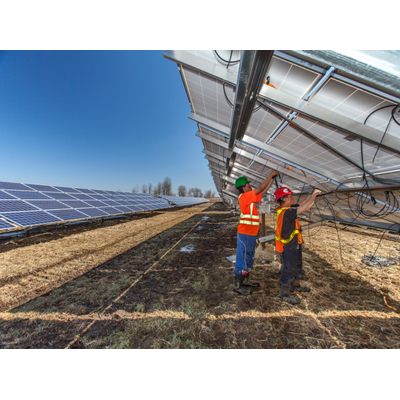
Renewable Energy O&M Services
In the rapidly evolving field of wind energy, solar energy and energy storage, new innovations are constantly being incorporated into the operation and maintenance of facilities on the ground. The first phase in the life cycle of our three technologies is development, followed by construction and installation. The third phase is O & M. Once a new project has been commissioned for use, the responsibility is handed off to a new team of operational staff to operate and maintain the site. The site owner might use their own employees, or the site may be managed entirely by the original equipment manufacturer (OEM), such as under the warranty agreement, or there could be a partnership with combined responsibilities, possibly including the employment of independent service providers (ISPs).