


Henan Doing Environmental Protection Technology Co., Ltd articles
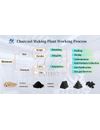
Charcoal, a traditional fuel, has seen its production methods gradually improve thanks to modern production technology. Currently, many producers are abandoning traditional, unsafe, and inefficient charcoal making methods using earthen or brick kilns, and instead adopting environmentally friendly and efficient methods to produce charcoal, thus meeting market demand while also balancing environmental sustainability.
Charcoal production relies on a process called "Pyrolysis," which invol
DOING
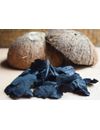
In today's global barbecue market, coconut shell charcoal is increasingly becoming the ideal choice for barbecue enthusiasts due to its long burning time, high heat output, and smokeless and odorless properties. For investors and manufacturers, transforming discarded coconut shells into high-value BBQ charcoal not only solves the problem of agricultural waste disposal but also presents a promising business opportunity.
Compared to other biomass raw materials, coconut shells have a high
DOING
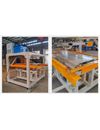
As the first batch of photovoltaic power plants enters its decommissioning phase, the recycling of photovoltaic panels has become a crucial link in the circular economy. Waste solar panel components contain recyclable materials such as glass, aluminum, silicon, and various precious metals. Currently, mainstream PV panels recycling technology mainly consists of three stages, utilizing a combination of processes to achieve the resource utilization of solar panel waste.
I. Physica
DOING
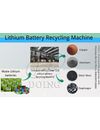
When Li-ion batteries reach the end of their lifespan, improper disposal or dismantling can lead to short circuits, leakage, or even fires. Furthermore, the chemical substances contained within the batteries, such as heavy metals and electrolytes, can cause long-term damage to soil and water sources if released into the environment. Therefore, safely handling old lithium-ion batteries is not only necessary to prevent safety risks but also a demonstration of environmental responsibility.
<DOING
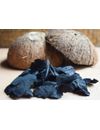
Hookah (also named as shisha, Nargile, or hubble-bubble) is a popular smoking habit originating in the Middle East (particularly India and Persia) and enjoying widespread popularity. The choice of charcoal has a direct impact on the smoking experience. Different types of charcoal offer varying combustion characteristics, smoke quality, and overall smoking experience. So, which charcoal is best for hookah?
Common Types of Hookah Charcoal
Natural coconut shell cha
DOING
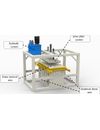
As the global stock of end-of-life solar PV panels grows and the profits from recycling and selling aluminum are considerable, many investors and recyclers wonder: Is it possible to remove aluminum frame of scrap solar PV panels? The answer is a definite yes—and with the right solar panel recycling technology, this process can be efficient, cost-effective, and a key step toward unlocking value from solar waste.
Aluminum frames are a key component of solar photovoltaic panels, pro
DOING
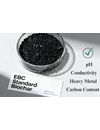
EBC Standard Biochar is a type of biochar produced under the European Biochar Certificate (EBC) standards. Biochar, essentially a carbon-rich material, is created by heating organic biomass in the absence of oxygen through a process known as pyrolysis. It has gained immense popularity in various industries, including agriculture, environmental remediation, and energy production, due to its ability to store carbon, improve soil health, and reduce greenhouse gas emissions.
The EBC standa
DOING
When producing charcoal from wood, one of the most common questions is: How much charcoal can I get from 1 kg of wood? The answer depends on several factors, including the type of wood, its moisture content, and the efficiency of the carbonization machine used.
1. Wood type: Different types of wood convert to charcoal at different rates. For example, hardwoods (like oak or eucalyptus) generally produce more charcoal than softwoods (like pine).
2. Wood mo
DOING
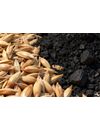
Rice husk carbonization is an important method for reusing agricultural waste, but direct carbonization often fails to achieve ideal results. Appropriate pretreatment not only improves carbonization efficiency but also helps enhance the quality and yield of the final biochar product. As a carbonization equipment manufacturer, we will introduce common pretreatment steps for rice husk carbonization to help you better prepare for carbonization and achieve higher production efficiency.
DOING
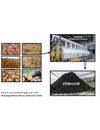
Wood charcoal preparation is the process of converting wood into a highly efficient fuel through appropriate methods. Traditionally, wood was carbonized in earthen kilns or pits, an inefficient and environmentally harmful process. Modern charcoal production combines traditional knowledge with modern technology to ensure wood charcoal quality while prioritizing environmental protection and resource utilization, providing a faster, cleaner, and more efficient solution. Here's how it works:
<DOING