


Ionomr Innovations, Inc. products
Technology
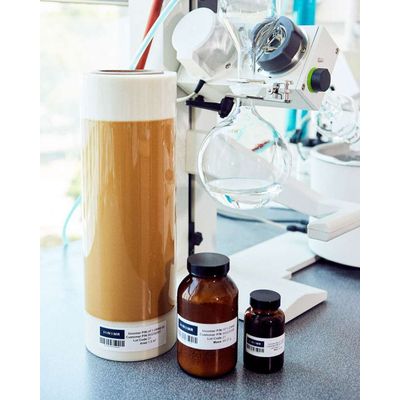
Aemion+ - Anion Exchange for Hydrogen Production
Ionomr Innovations manufactures Aemion+™, the most durable and high-performance anion exchange product on the market. Aemion+™ is stable in both highly basic and strongly acidic environments, providing a marked improvement in product life cycle, even in the harshest operating conditions. This unique stability unlocks breakthrough applications, including the first highly efficient systems for the production and use of hydrogen that are free of precious metals, increasing scalability while decreasing costs. Our alkaline chemistry also enables efficient and profitable carbon capture, utilization and storage (CCSU) by unlocking higher complexity reactions and higher value products. Other applications for our AEM includes industrial chemical generation and recovery including LiOH.
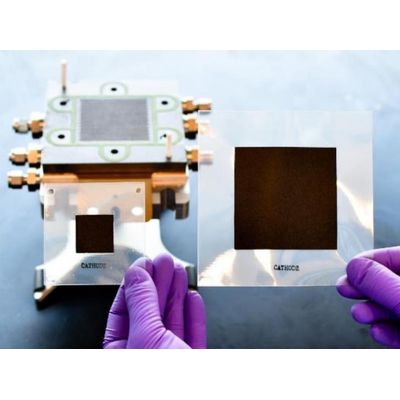
Pemion - Membrane Electrode Assemblies (MEA) Reference Platforms
Ionomr offers pre-built membrane electrode assemblies (MEAs) in three standard sizes – 5, 25, and 50 cm² active areas – comprising Pemion® membranes coated with standardized catalyst layers as a convenient assessment tool for evaluation and integration of its proton exchange membrane technologies.
Others
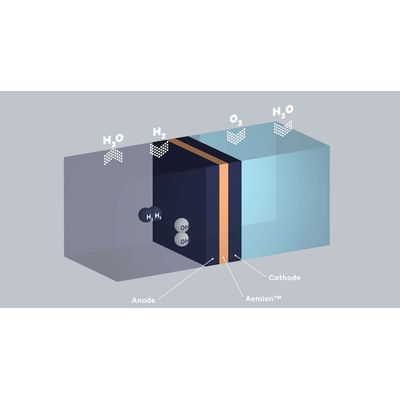
Model AEMFC - AEM Fuel Cells for Hydrogen Fuel Cells
Developed for Stability in Strong Alkaline Solutions. Ionomr’s Aemion™ membranes, which have been developed for stability in strong alkaline solutions under the oxidizing conditions of high voltage and current, now represent one of the leading solutions available for the development of next-generation, low cost, high efficiency fuel cells.
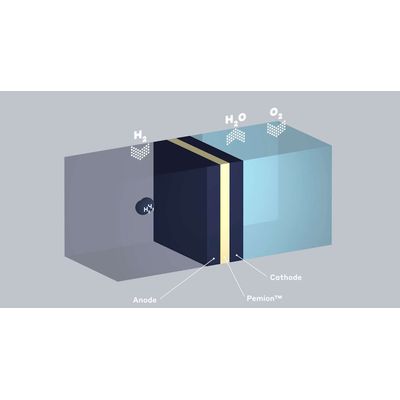
Model PEMFC - PEM Fuel Cells for Hydrogen Fuel Cells
Developed for Superior Chemical Stability: Proton exchange fuel cells are the dominant fuel cell technology for transportation and small stationary applications. In a PEMFC, hydrogen fuel is oxidized at the anode where electrons are separated from protons on the surface of a precious metal catalyst. The protons pass through the membrane to the cathode side of the cell while the electrons travel in an external circuit, generating the electrical output of the cell.On the cathode side, another precious metal catalyst combines the protons and electrons with oxygen (from the air) to produce water, which is expelled as the only waste product. Precious metals are employed in both the catalysts and the cathode electrode, further driving up the cost as well as the environmental impact of an otherwise sustainable solution.