


Jiangxi LDK Solar Hi-Tech Co., Ltd products

LDK Solar - Solar Monocrystalline Wafer
We commenced production of mono crystalline wafers in March 2009. We have developed processing technologies to reduce our production costs at each step of the production process, which include recycling more poly silicon, producing bigger ingots, increasing wafer size, reducing wafer thickness, recovering slurry and increasing production yield.
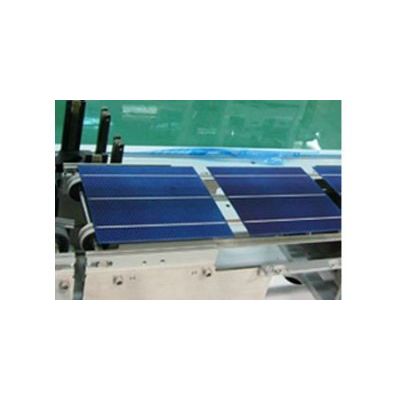
LDK Solar - Solar Monocrystalline Cell
Manufacturing in-house PV cells and increasing the efficiency of solar cells is one of the most effective drivers to reduce the cost of PV modules. We are currently in the process of establishing our cell manufacturing lines to produce our own cells as well as working on developing new high-efficiency monocrystalline and multicrystalline cell technology. Manufacturing our own cells in-house will reduce the cost of modules, increase quality, and ensure a stable supply of cells.
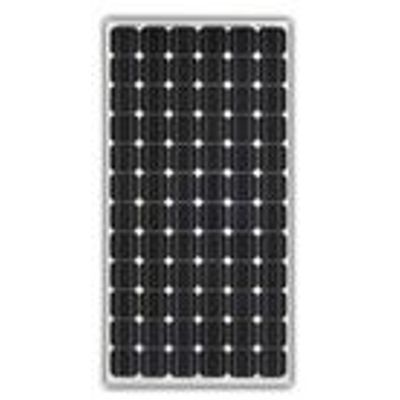
LDK Solar - Monocrystalline Photovoltaic Modules
At LDK Solar, we produce high-quality and high-efficiency monocrystalline photovoltaic modules. The monocrystalline power series of solar modules range from 160watts to 250watts in power output. Our solar modules are clean, environmentally friendly and built to the specifications of our customers and end-users. Adapting our product range to meet market demands allows us to provide our customers with a broader range of on-grid and off-grid solutions for residential, commercial, industrial and utility scale applications around the world.
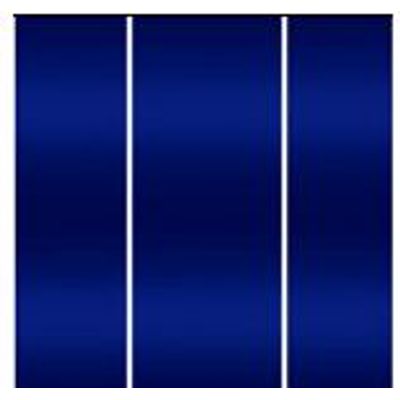
Multicrystalline Cell
PV cell manufacturing begins with the ultrasonic cleaning of silicon wafers followed by the chemical treatment of the wafer surface, which reduces the PV cell"s reflection of sunlight. Through a thermal process, or a diffusion process, we then introduce certain impurities into the silicon wafer and form an electrical field within the PV cell. Then an anti-reflection coating is applied to the front surface of the PV cell in order to enhance it"s absorption of sunlight. We screen print negative and positive metal contacts, or electrons, onto the front and back surfaces of the PV cell, with the front contact in a grid pattern to allow sunlight to be absorbed. Silicon and metal electrodes are then connected through an electrode firing process in a conveyor belt furnace at high temperature. We complete the manufacturing of the PV cells by testing and sorting.