
- Home
- Companies
- LAWI Engineering GmbH
- Applications
LAWI Engineering GmbH applications
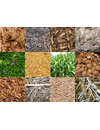
The LAWI EtaComb® Combustion Systems have shown to the world to be able to produce heat and power efficiently and reliably from a huge variety of biomass fuels, including fuels with difficult characteristics such as very low calorific value (< 4,500 kJ/kg) or unbelievably high moisture content (> 65 %). With the LAWI Firing Systems and Boiler Plants solid biomass fuels are effectively utilized instead of just burned down.
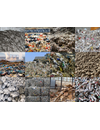
Effective and trustworthy thermal waste management is the champions league of combustion design. The LAWI EtaComb Incineration Systems are just that; they are champions in an automatically controlled conversion of solid waste fuels into thermal energy for various applications and with unprecedented low emissions. In a quasi-gasification process waste fuels such as RDF, municipal solid waste (MSW), SRF, dewatered sludges, wood wastes, landfills wastes and other industrial wastes and residues are efficiently converted into heat and power.
The food & agricultural industries generate organic by-products such as husks, straws, etc., which form a valuable energy source for power plants and produce reliable and stable process energy. The by-products generated in the process can be utilized to generate electricity, for the company`s own electrical consumption and/or to feed it into the public grid, and/or steam for its own machine processes.
(On-site) Waste incineration can be applied in paper industries to generate energy from the residues that are produced during the pulp and paper making process. These residues include wood waste, bark, sander dust, sludge, and paper rejects. Waste incineration can reduce the amount of waste that needs to be disposed of in landfills or other ways, and also provide a renewable and low-carbon source of heat and electricity for the paper mills.
Solid waste fuel incineration can be applied in wood industries to generate energy from the wood waste that is produced during the wood processing, furniture manufacturing, and other activities. Wood waste includes wood chips, sawdust, shavings, bark, and other residues that are not suitable for material reuse or recycling. Solid waste fuel incineration can reduce the amount of wood waste that needs to be landfilled or open-burned, and also provide a source of heat and electricity for the wood industries or other users.
Cement production is an energy-intensive process. Conventional fuels used in the cement industry, such as coal, petcock and furnace oil, are notoriously polluting the environment in terms of greenhouse gas emissions. With suitably designed feeding and combustion systems, solid waste fuels can be used in cement factories for the clinker burning process, thereby replacing polluting fossil fuels with carbon-neutral biomass fuels. Switching to biomass and solid waste fuels is attractive for the cement industry from both environmental and financial perspectives.