

- Home
- Companies
- PDH Authority
- Training
PDH Authority training
Courses - Engineering
PDH - Wind Energy Project Analysis Course
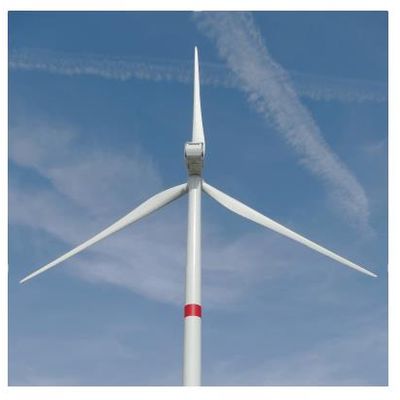
In addition to large scale applications, there are a number of other applications for wind turbines, such as medium scale applications on isolated-grids and off-grid uses for pumping water and providing smaller amounts of electricity for stand-alone battery charging applications.
PDH - 3T - Introduction to Motor Starting Analysis Course
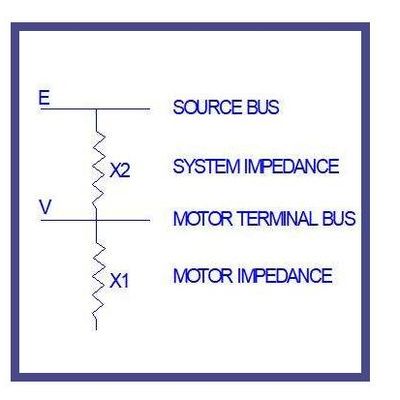
The starting current of most AC motors is several times normal full load current. Both synchronous and induction motors can draw five to ten times full load current when starting them across the line. Motor-starting torque varies directly as the square of the applied voltage. If the terminal voltage drop is excessive, the motor may not have enough starting torque to accelerate up to running speed. Running motors may stall from excessive voltage drops, or under-voltage relays may operate. In addition, if the motors are started frequently, the voltage dip at the source may cause objectionable flicker in the lighting system.
PDH - 3T - Gas Insulated Substation Definitions and Basics Course
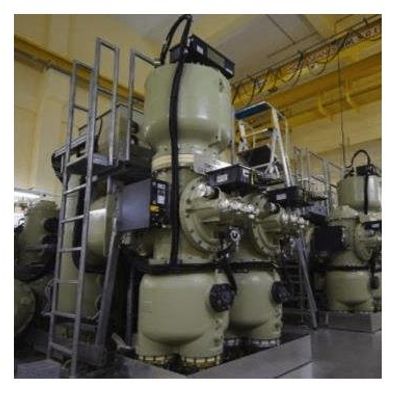
When determining between AIS or GIS technology, some elements alone, for example aesthetics, may be an overcoming impact on a user’s conclusion. Nevertheless, most of the time the best conclusion asks for assessing many elements and soliciting input data from many sections within an investor’s organization. It is also critical to note that the optimal substation arrangement may not be solely AIS or GIS. Sometimes a mix of the two (i.e., hybrid or mixed-technology) might be the best arrangement. Typically, most of the factors will prefer GIS technology, but it is the value or importance given to the considerations that decides if the return on investment is justifiable to choose GIS over AIS technology. Consideration that can be measured should be assigned importance weights based on the user’s needs.
PDH - 3T - Principles of HVDC Transmission Course
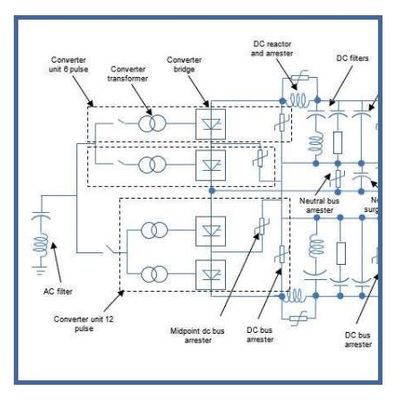
The question that is frequently discussed is: “Why does anyone want to use D.C. transmission?” One reply is that electric losses are lower, but this is not true. Amount of losses is determined by the rating and size of chosen conductors. Both D.C. and A.C. conductors, either as transmission circuits or submarine cables can generate lower power losses but at increased cost since the bigger cross-sectional conductors will typically lead to lower power losses but will unfortunately cost more.
PDH - 2T - Power System Transient Stability Study Fundamentals Course
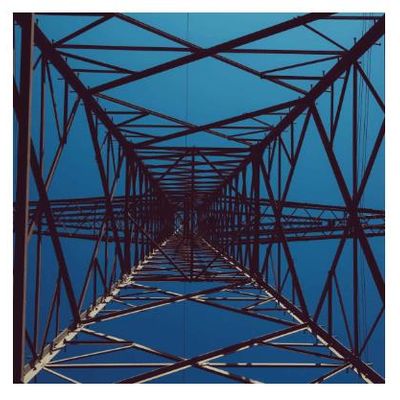
The ability of a power system, containing two or more synchronous machines, to continue to operate after a change occurs on the system is a measure of its stability. The stability problem takes two forms: steady-state and transient.
PDH - 4T - Introduction to Short Circuit Current Calculations Course
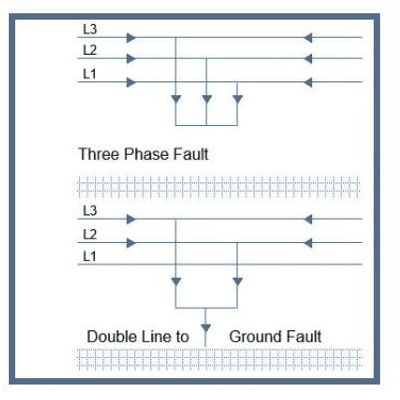
This course presents the subject of short-circuit studies in a very structured fashion. First, a simple equivalent circuit is developed for a generic power system, system impedances are recalculated to common base and fault are calculated at various locations throughout the system. A detailed explanation is offered for calculation of three phase faults. Explained techniques can be also verified by any commercial power system software package.