

Santes Incinerator products
Incinerators
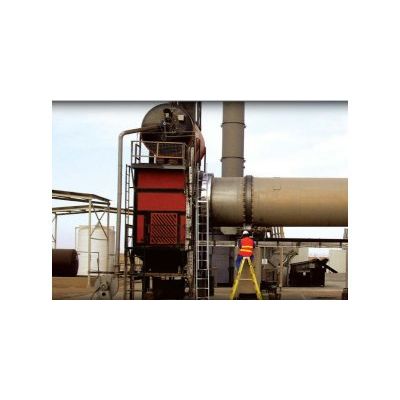
Santes - Hazardous / Industrial Waste Incinerators
They can be discarded commercial products, like cleaning fluids or pesticides, or the by-products of manufacturing processes. For the destruction of industrial wastes, SANTES designs and manufactures incineration systems which may have different capacities.
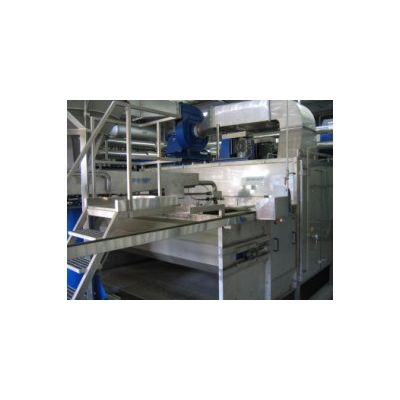
Santes - Wastewater Sludge Incinerator System
Sludge is a great problem for wastewater treatment plants. This problem grows every day since the amount of sludge increases continuously and the land required for the storage of the sludge. Santes combines the advantages of drying and incineration and uses the energy of the incinerated sludge in drying to minimize the energy consumptions in sludge handling. This system decreases the total volume of the sludge to about 5% of its original volume with the name of Sludge Fuelisation System. Within this system, Sludge first fed to the drying unit and dried sludge is directed to the incineration unit. With the incineration of dried sludge necessary energy for the drying process is provided.
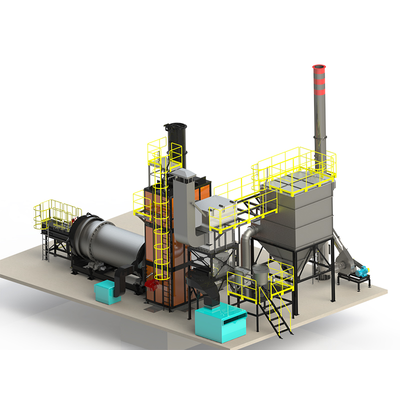
Santes - Oily Sludge Incinerator System
Environmental contamination by petroleum and its derivatives is a serious problem worldwide. Considerable amounts of hydrocarbons have been released into water and soil as a result of pipeline leaks, transport accidents, and storage tank ruptures.
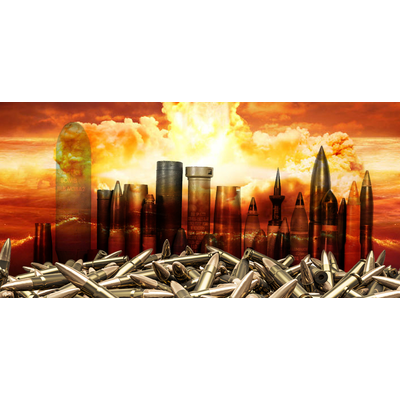
Santes - Propellant Waste Incineration System
Santes is one of the leading companies for designing and manufacturing Propellant Waste Incineration Systems in the scope of Demilitarization Projects. Propellant wastes include solid rocket fuel, gun powder, M1SU, M9SU M1 to M7. Since the volume of these wastes can expand enormously when it is attempted to incinerate such wastes and to avoid big deflagrations, waste amount to be fed to the furnace in each batch should be minimized. Santes takes this issue into consideration while making the design of these systems. The furnace is designed as a static furnace in order to minimize the escape of exhaust gas during deflagration.