

Sustainable Environmental Systems Ltd products
Technologies
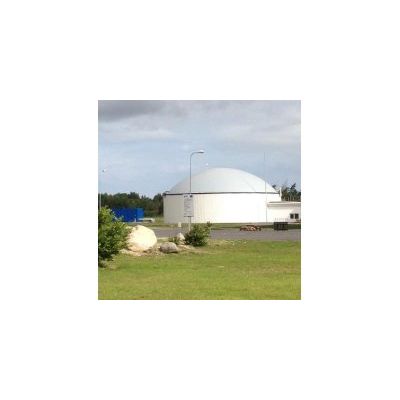
Anaerobic Digestion (AD)
Anaerobic Digestion (AD) is the fermentation of energy rich biodegradable materials such as food waste and specially grown energy crops to produce a methane rich biogas. The fermentation process is carried out in closed tanks and can be a simple single stage process typical of on-farm AD systems to more elaborate two or three stage processes for faster and more efficient production of biogas.

Gasification and Pyrolysis
Gasification and Pyrolysis are ways of producing calorific gases from carbonaceous materials by heating the feedstock materials in a controlled manner to prevent them from fully combusting.
Biomass Combustion
Working with our manufacturing partners in step grate and fluidised bed combustion systems we can recommend and supply the best solution for your particular biomass. Once the combustion technology size and type is determined we can then supply high performance water tube boiler systems matched to the grate/fluidised bed combustion unit. These boiler systems utilise higher temperatures and pressures to produce steam at up to 480C and 65bar. The resultant higher grade steam enables the use of higher efficiency steam turbine designs from our turbine manufacturing partners. The overall result is the most efficient conversion of the biomass energy content into electrical power for export to the grid or to a private wire system.BioEnergy Process
By combining a rapid in-vessel composting technology, with an intermediate materials recycling facility (MRF) and a back-end energy recovery technology such as gasification/pyrolysis, it is possible to have the best of both recycling and energy recovery. The composting system releases and cleans the plastics and metals from the wet organic materials ready for the MRF to separate the biodegradable from non-biodegradable fractions whilst recovering recyclable materials. Appropriate energy generation technologies can then be used to convert the biodegradable fraction into renewable energy and any non-recyclable plastics into `brown` energy to run the facility. This results in an energy self-sufficient process that exports a significant amount of green energy and has a negative carbon footprint.