

Tyne Engineering Inc. products
Nuclear Products
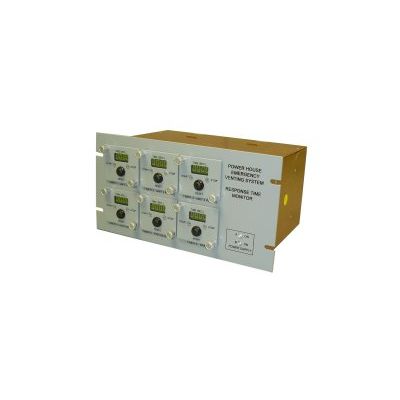
Tyne - Model 7044 - Actuator Response Time Monitor
Tyne`s Response Time Monitor is designed to measure the actuator response time from `Start` signal to `Feed back`. It also provides an alarm when the response time is over the limit. The circuit is designed with a hardware logic integrated circuit. No software is used. The display comprises four 7-segment LEDs to display from 0.01s to 99.99s. The setting is established using BCD switches with displayed numbers. Once the unit detects a Start pulse, it starts to count until the Stop pulse is received. The count is compared to the setting of a digital comparator. Once the count has exceeded the setting, the alarm trips and sends the output to the terminals.
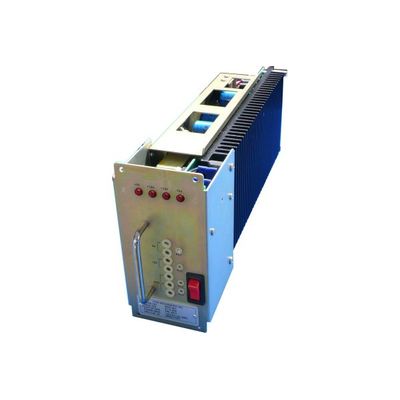
Tyne - Model 2113 - SDS2 Trip Computer CPU Power Supply System
Tyne`s replacement power supply for the SDS2 Trip Computer CPU was designed to satisfy the demanding Nuclear Technical Specification of the original power supply that has been in service for 30 years. The new model has a completely redesigned circuit board using high quality, modern electronic components. Nuclear power plant owners have expressed recent concerns regarding the quality of replacement power supplies from some vendors because of use of commercial components of sub-standard quality. To address this issue, Tyne designed its power supply from scratch, using custom-wound transformers, and all components positioned for easy inspection by Tyne and its customers. During re-engineering, Tyne was able to incorporate improvements that came out of customer`s operating experience with previous power supplies. Improvements included better accessibility of test points and better cable routing to allow easier maintenance, installation and replacement.
Tritium Handling
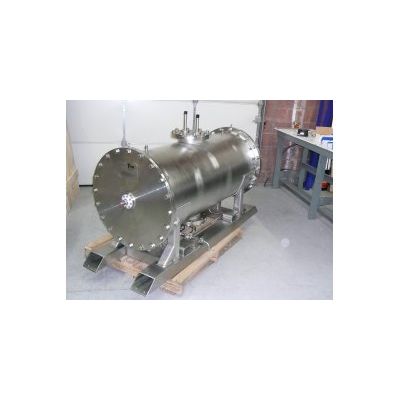
Tyne - Tritium Extraction and Heavy Water Upgrading Plant
The concentrator is part of a system to remove tritium from water. It starts with purification to make sure the water is suitable for the next stage in the process. An electrolyzer converts the water to hydrogen and oxygen gas; and the hydrogen, containing the tritium, is collected separately and is passed through the concentrator. Here tritium rising with the hydrogen isotopes in the concentrator columns is transferred to descending water, resulting in higher concentrations in the bottoms water. Tritium-free hydrogen is released. Increase in tritium concentration of 1000 times or more can be achieved.