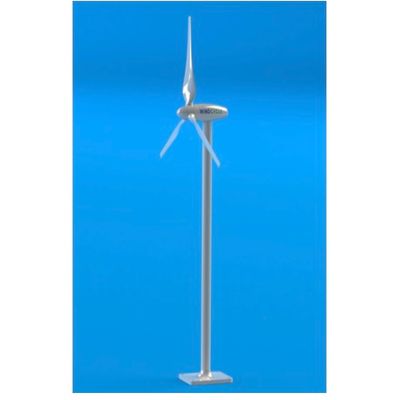


WindCycle products
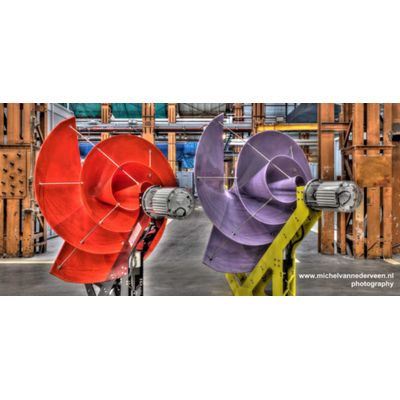
Reinventing the Wind Turbine
The Archimedes spiral wind turbine is a type of horizontal axis wind turbine HAWTs but unlike traditional HAWT that uses lift force generated by air pushed down by an Aerodynamic shape ( Airfoil), This turbine uses drag force to harness the energy from the wind. It consists of 3 blades three-dimensional conical shape. One of the key features of this turbine is that can start rotating at low wind speed as demonstrated in this video of the field test (Low Wind Speed)
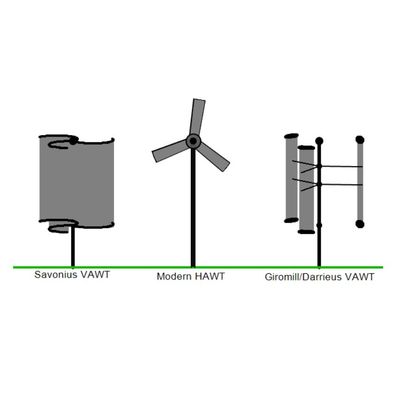
Wind Turbine Calculator
This wind turbine calculator is a comprehensive tool for determining the power output, revenue, and torque of either a horizontal-axis (HAWT) or vertical-axis turbine (VAWT). You only need to input a few basic parameters to check the efficiency of your turbine and how much it can earn you. You can use our tool as either a HAWT or a VAWT calculator – to change the turbine type, simply choose your desired turbine from the drop-down list at the top of the calculator. If you’re interested in renewable energy in general, our hydroelectric power calculator and solar panel tool may be useful for you.
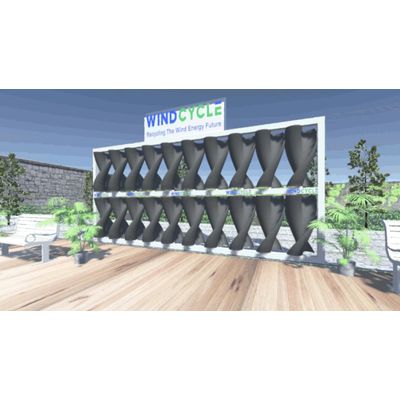
Wind Energy Wall
Wind turbines do not necessarily need to be physicality intrusive or not aesthetic. We can create designs that are aesthetically pleasing as it is functional. This “kinetic wall” is made up of an array of rotary blades that spin individually, driving a mini generator that creates electricity. The electricity is utilized in the home, shopping malls or business, can be stored in a wall-mounted battery, or can even be fed back into the national grid to provide revenue for the owner via the Fit Scheme in Hong Kong as well as in other Countries. In Hong Kong the revenue generated by selling electricity with a system of this size and power is HKD 5 kWh which translate into around HKD 100,000 per year depending on the location and available wind speeds.
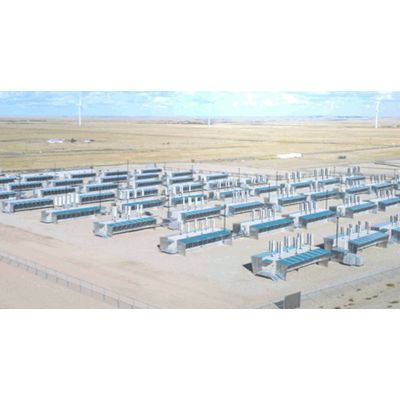
Green Bitcoin Mining
Bitcoin mining is converging with the energy sector with amazing rapidity, yielding an explosion of innovation that will both decarbonize bitcoin in the medium term, and will dramatically benefit increasingly renewable grids. What’s more, it appears that only bitcoin – rather than other industrial load sources – can actually achieve some of these goals. Bitcoin enthusiasts have long maintained that bitcoin mining could drive a clean energy transition. The logic went as follows: Bitcoin miners voraciously buy the cheapest sources of energy available; renewable (wind and solar) sources of energy are getting progressively cheaper and will soon outmatch thermal energy on cost; bitcoin miners will therefore subsidize the buildout of renewable energy, benefiting everyone.