


Pyrolysis of Oil Sludge: From Pollution to Resource
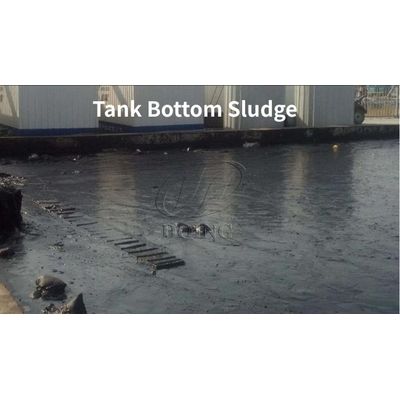
Oil sludge primarily originates from petroleum exploration, refining, storage, and transportation processes. The large-scale accumulation of oil sludge not only leads to resource waste but also poses a serious threat to the environment. Oil sludge pyrolysis technology, with its unique principles and significant advantages, offers a new direction for solving this problem.
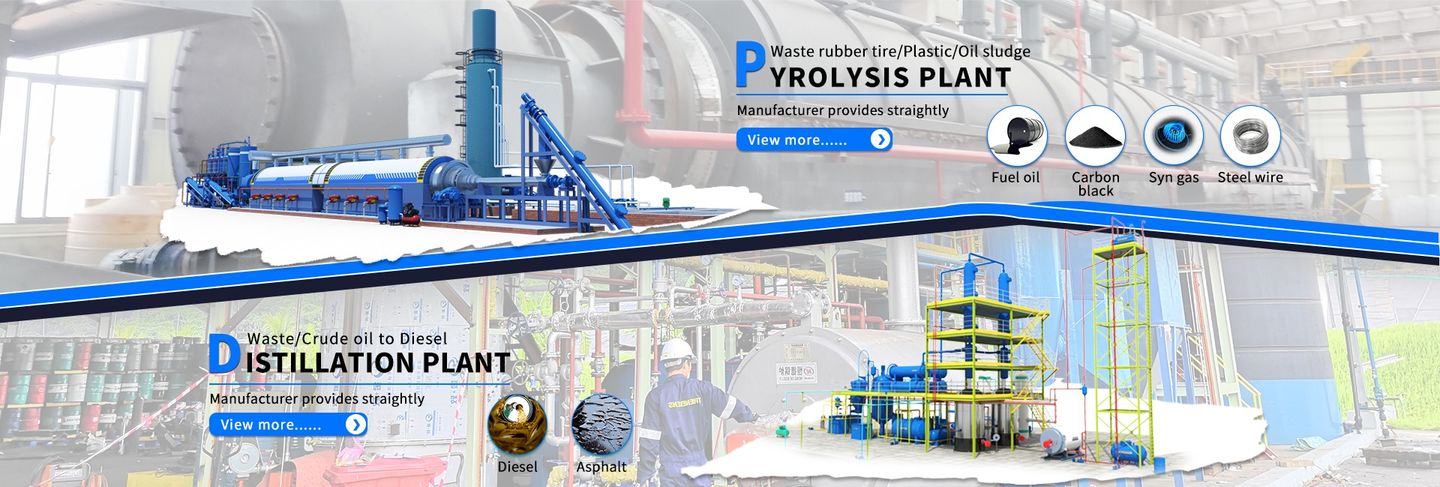
Oil sludge pyrolysis machine refers to the thermochemical reaction of organic matter in oil sludge under oxygen-free, high-temperature conditions. The pyrolysis device converts oil sludge into pyrolysis oil, synthesis gas, and carbon black.
Pyrolysis oil is an important chemical raw material. Further distillation and refining can produce diesel and gasoline. Solid products mainly include coke and inorganic residue. Coke can be used as fuel or in the metallurgical industry, providing heat and reducing agents for steelmaking. Inorganic residue can be used in the manufacture of building materials, maximizing resource utilization.
Collection of Oil Sludge Pyrolysis Products
The oil and gas produced by the pyrolysis reaction enter the oil-gas separation system. In the condenser, most of the light oil and water vapor in the oil and gas are cooled and liquefied. After condensation, the liquid oil and uncondensed gas are initially separated. To further improve the purity of the liquid oil, subsequent processing steps, such as oil-water separation, are required.
The separated liquid oil can be directly used as fuel or chemical raw material, or further refined to produce higher-quality oil products. The uncondensed gas also has high utilization value after purification. It can be used as fuel gas for combustion heating or power generation, achieving energy recycling.
Waste Gas Treatment
Harmful waste gases are produced during the oil sludge pyrolysis process. If these waste gases are discharged directly into the atmosphere without treatment, they will cause serious air pollution. Waste gas treatment systems typically employ a combination of processes to ensure that emissions meet standards.
First, a desulfurization and dust removal tower removes dust and sulfides. This tower uses a specific desulfurizing agent to chemically react with the sulfides in the waste gas, converting them into harmless substances. Simultaneously, dust is removed through filtration and adsorption.
Next, a denitrification process removes nitrogen oxides from the waste gas. In addition, processes such as activated carbon adsorption are used to further remove organic pollutants and other trace harmful substances. After this series of rigorous treatment steps, the content of harmful substances in the waste gas is significantly reduced, and it can be safely discharged into the atmosphere only after meeting the prescribed emission standards.