



What's The Application of Pyrolysis Oil in Metal Smelting Industry
Pyrolysis oil, derived from the thermal decomposition of solid waste like waste tires, plastic scrap, oil sludge or other organic materials, can find applications in the metal smelting industry. Here’s how:
(1)Fuel Source: Pyrolysis oil can serve as a supplementary or alternative fuel in metal smelting furnaces. Its high energy content and combustion properties make it suitable for providing heat required for melting metals.
(2)Cost Efficiency: Using pyrolysis oil as a fuel can offer cost savings compared to traditional fossil fuels. It can be produced from waste materials such as oil sludge, reducing the need for purchasing conventional fuels like diesel or natural gas.
(3)Environmental Benefits: Pyrolysis oil is considered a renewable and sustainable fuel option since it is derived from organic waste. Its use in metal smelting can contribute to reducing greenhouse gas emissions and overall environmental impact compared to burning fossil fuels.
(4)Resource Conservation: By utilizing pyrolysis oil, the metal smelting industry can contribute to resource conservation by reducing reliance on finite fossil fuel resources. This aligns with sustainability goals and reduces the industry’s ecological footprint.
Overall, incorporating pyrolysis oil into the metal smelting process can enhance sustainability, reduce costs, and support environmental stewardship within the industry. Then how do we produce pyrolysis oil?
Production Process of Pyrolysis Oil:
A. Feedstock Preparation: Various organic materials can serve as feedstock for pyrolysis oil production, including oil sludge, waste plastics, tires, coal tar, and more. These materials are collected, sorted, and prepared for the pyrolysis process.
B. Pyrolysis Reactor: The prepared feedstock is fed into a pyrolysis reactor, which is a sealed chamber where thermal decomposition occurs in the absence of oxygen. The reactor is heated to temperatures typically ranging from 200°C to 500°C, depending on the feedstock and desired output.
C.Thermal Decomposition: Inside the reactor, the feedstock undergoes thermal decomposition, breaking down into three main components:
pyrolysis oil, combustible gas, carbon black.
D.Product Collection and Processing: The products of pyrolysis are separated and collected using methods such as condensation for the oil fraction, purification for syngas, and transfer for solid residues. Depending on the desired end products, further processing and refining may be carried out.
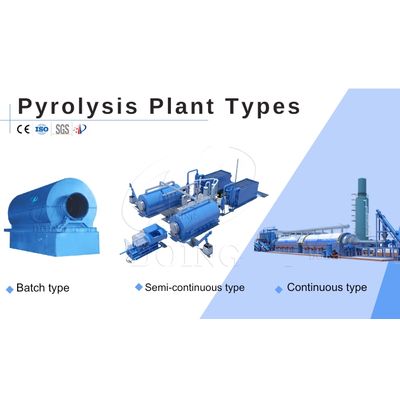
Pyrolysis plants offer a sustainable and innovative solution for converting various waste materials into fuel oil for the metal smelting industry, other similar industries and heavy oil power plants. If you want to produce fuel oil for sale or for self-uses with pyrolysis plants, you are welcome to contact Henan Doing Company for professional solutions!
📞Whatsapp us: +8613526692320
📧E-mail: oilmachine@wastetireoil.com
🔗Official Web:
http://www.wastetireoil.com
http://www.continuouspyrolysisplant.com
http://www.wasteoiltodieseloil.com