

- Home
- Companies
- Baoji Yinggao Metal Materials Co., Ltd.
- Products
- TOPTITECH - 1/2NPT Titanium Gas ...

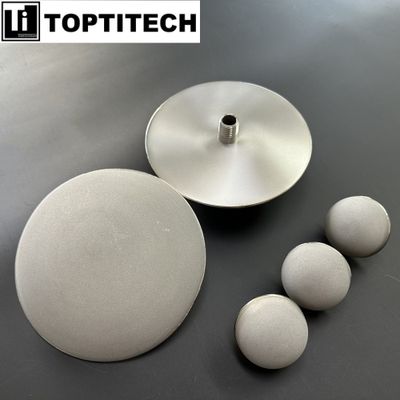
TOPTITECH - 1/2NPT Titanium Gas Distribution Disc for Fermentation
Precise and Secure Connection Enhanced Durability Micro-Perforation Design Optimal Aeration Efficiency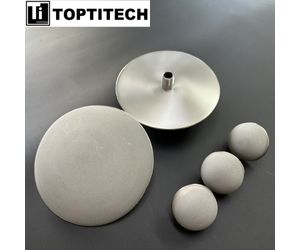
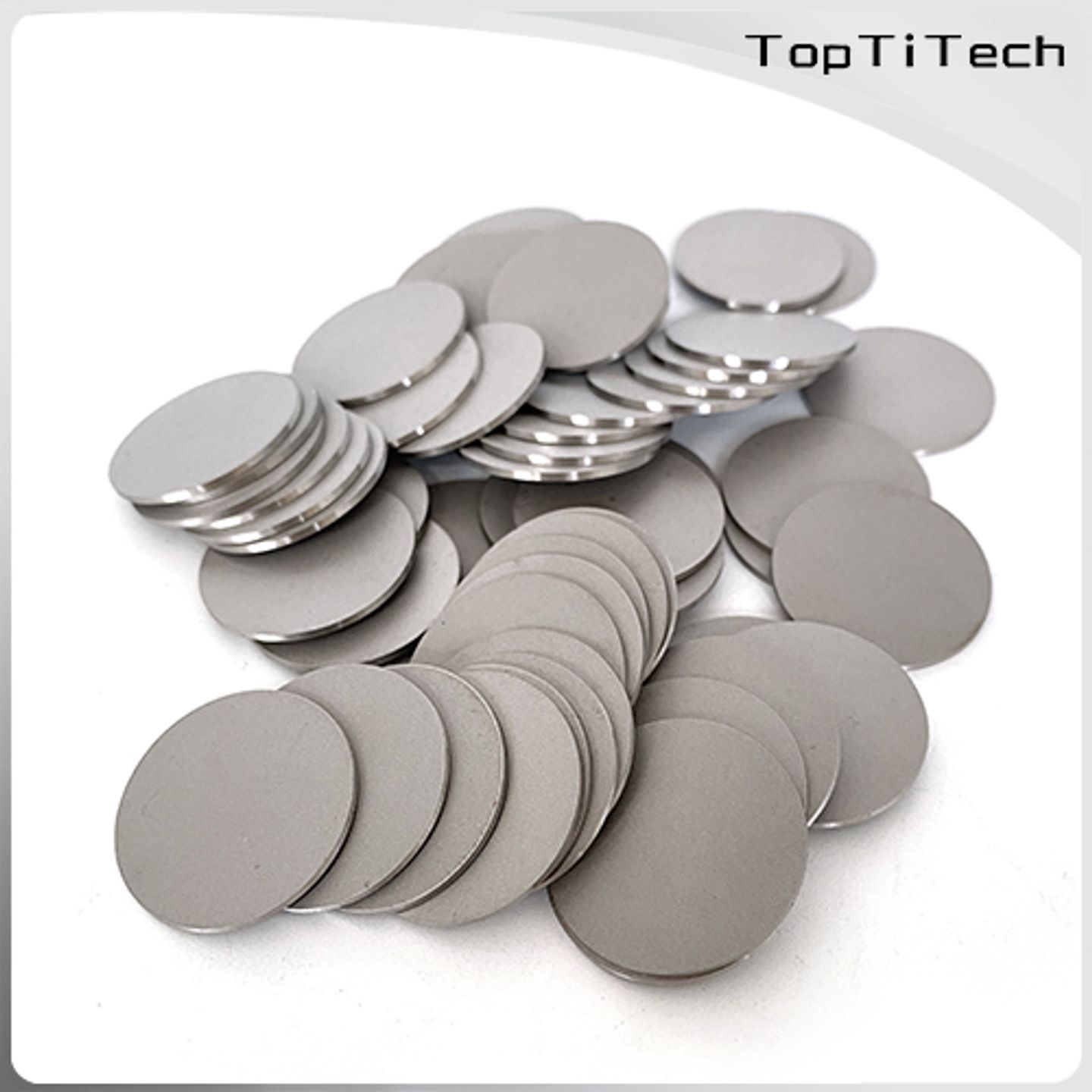
TOPTITECH's 1/2NPT Titanium Gas Distribution Disc for Fermentation is a highly specialized and technologically advanced accessory designed to optimize aeration in fermentation processes. With its precise 1/2NPT interface, generous 180mm diameter, and micro-perforations of 2 micrometers (um), this disc offers exceptional performance and reliability in gas distribution for fermentation applications.
Crafted from premium-grade titanium, TOPTITECH’s gas distribution disc exhibits outstanding corrosion resistance, ensuring long-lasting durability even in harsh fermentation environments. The 1/2NPT interface guarantees a secure and leak-free connection to the fermentor, enabling seamless integration into various fermentation systems.
Equipped with micro-perforations of 2um, this disc facilitates precise control of gas flow and distribution. The ultra-fine perforations ensure uniform dispersion of gases throughout the culture broth, promoting efficient oxygen transfer to microbial cells and facilitating the removal of carbon dioxide. This level of control over aeration parameters has a direct impact on cell growth rates and product formation, enabling users to achieve optimal fermentation outcomes.
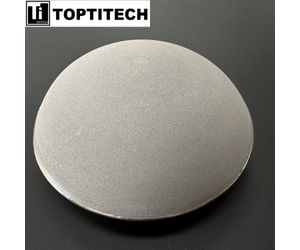
Material: titanium
Pore size: 2um
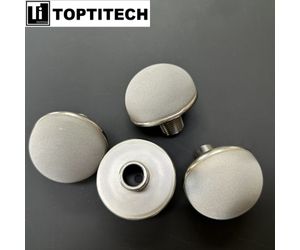
Diameter: φ180mm,φ60mm
Connection: 1/2NPT
Technique: Sintering
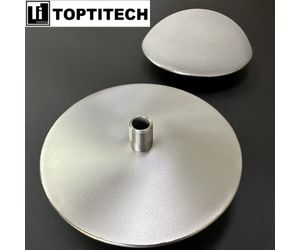
Precise and Secure Connection: The 1/2NPT interface ensures a precise and secure connection to the fermentor, eliminating the risk of leakage or disconnection during operation. This reliable attachment provides peace of mind and allows for uninterrupted aeration throughout the fermentation process.
Enhanced Durability: Crafted from high-quality titanium, this gas distribution disc exhibits excellent corrosion resistance, ensuring long-term durability even in demanding fermentation environments. It can withstand harsh chemical conditions and maintain its performance over an extended period, reducing the need for frequent replacements.
Micro-Perforation Design: The disc features micro-perforations with a diameter of 2 micrometers (um), enabling precise control of gas flow and distribution. These ultra-fine perforations ensure uniform dispersion of gases throughout the culture broth, promoting efficient oxygen transfer and carbon dioxide removal. This level of control enhances cell growth rates and product formation, leading to improved fermentation outcomes.
Optimal Aeration Efficiency: The specialized design of the gas distribution disc facilitates enhanced mixing of the gas and liquid phases within the fermentor. This promotes efficient gas-liquid interaction, maximizing aeration efficiency and ensuring homogeneity of the culture broth. The result is an improved oxygen supply to microbial cells, enhancing their metabolic activity and overall fermentation performance.
(1) mechanically stirred sparged fermentor, (2) bubble column fermentor, and (3) loop fermentor.
The mechanically stirred sparged fermentor is widely used for various aerobic fermentations. It involves the sparging of gas, typically air, into the agitated broth. On the other hand, the bubble column fermentor is a cylindrical vessel where gas is bubbled through a liquid medium. It can operate continuously with either counter-current or co-current flows of liquid and gas. Lastly, the loop fermentor utilizes the difference in average densities between the gassed and ungassed sections or employs pumps or fluid jets to recirculate the liquid.
These three types of fermentors offer distinct advantages in optimizing aerobic fermentation processes. Mechanically stirred sparged fermentors ensure efficient gas-liquid contact through sparging and agitation. Bubble column fermentors facilitate mass transfer and heat transfer between the gas and liquid phases. Loop fermentors promote enhanced gas-liquid mixing and facilitate efficient oxygen supply and carbon dioxide removal.