


- Home
- Companies
- Shanghai Sunplus New Energy Technology ...
- Products
- Sunplus - Model AF-TPH Series - 3-12kW ...
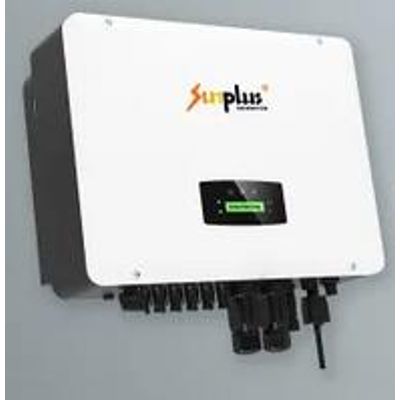
Sunplus - Model AF-TPH Series -3-12kW Three Phase Hybrid Inverter
The Sunplus AF-TPH Series three phase storage inverters are designed to increase energy independence for homeowners and commercial users. The power range is from 3.0kW to 12kW, with 2 MPP Trackers,compatible with high voltage (80-650V) batteries.
AF-TH Series three phase storage inverters are designed to increase energy independence for homeowners and commercial users. The power range is from 3.0kW to 12kW, compatible with high voltage (80-650V) batteries. What is 3 Phase Hybrid Inverter?
A 3 Phase Hybrid Inverter is a type of power inverter designed to handle three-phase electrical power systems. It combines the functionality of a traditional inverter with that of a hybrid inverter, which means it can manage both renewable energy sources (such as solar panels or wind turbines) and grid power simultaneously.
A three-phase inverter distinguishes itself by transforming DC power into three separate AC waveforms. This configuration is tailored to three-phase electrical systems. These systems are renowned for their enhanced efficiency, reliability, and capacity to handle larger loads compared to single-phase counterparts.
Grid Connectivity:
It allows for connection to the electrical grid, enabling the system to draw power from the grid when needed and export excess power back to the grid.
Renewable Energy Integration:
The inverter is capable of efficiently integrating renewable energy sources, such as solar panels or wind turbines, into the electrical system. It converts the DC (direct current) electricity generated by these sources into AC (alternating current) electricity suitable for use in homes, businesses, or the grid.
Battery Storage Compatibility:
Many 3 Phase Hybrid Inverters are also compatible with battery storage systems. They can charge batteries using excess renewable energy or grid power when electricity prices are low, and discharge them during periods of high demand or when grid power is unavailable.
Power Management:
They typically include advanced power management capabilities, such as load shifting and peak shaving, to maximize energy efficiency and reduce electricity costs.