


- Home
- Companies
- Buyo India Pvt Ltd
- Products
- BuyoFuel - Bio-CNG Renewable Fuel
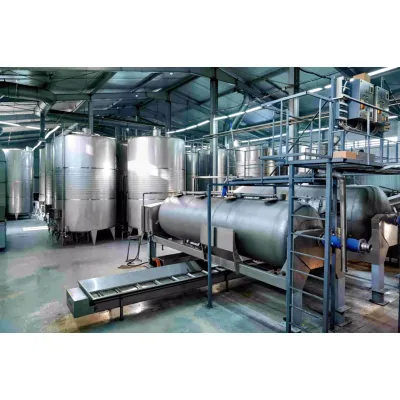
BuyoFuel - Bio-CNG Renewable Fuel
Bio-CNG is a cutting-edge renewable fuel derived from organic waste materials such as agricultural waste, food waste, and sewage sludge. It serves as a viable and sustainable alternative to traditional fossil fuels like conventional compressed natural gas (CNG). The production of Bio-CNG involves an anaerobic digestion process where microorganisms break down waste materials to create biogas, primarily consisting of methane and carbon dioxide. This biogas is then purified and compressed to produce Bio-CNG. This environmentally conscious fuel significantly reduces carbon dioxide emissions, making it a low-carbon option for various applications including transportation, heating, and electricity generation. Bio-CNG is advantageous because it can seamlessly integrate into existing natural gas infrastructure and can be utilized in vehicles designed for CNG without modifications, offering a cost-effective solution to reduce emissions and promote environmental sustainability.
Bio CNG stands as a cutting-edge, environmentally conscious fuel alternative, providing a viable option to conventional fossil fuels. This Bio CNG fuel is derived from readily accessible organic waste materials such as food waste and sewage, making it a sustainable choice. Utilizing Bio CNG as a transportation fuel not only enhances air quality but also diminishes CO2 emissions. When considering fuel attributes, cost-effectiveness, engine performance, and emissions, Bio CNG closely mirrors conventional CNG.
- Gross Calorific Value : 11500 ~ 12500 Kcal/kg
- Specific Gravity : 0.587
- Carbon dioxide : 0.789 g/cm3
- Methane : 92-98%
The production of Bio-CNG involves a process called anaerobic digestion, which is a natural biological process that occurs in the absence of oxygen. During anaerobic digestion, microorganisms break down organic matter into biogas, which is a mixture of methane, carbon dioxide, and trace amounts of other gases. The biogas produced during anaerobic digestion is then purified and compressed to produce Bio-CNG, which has similar properties to traditional compressed natural gas (CNG).
Bio-CNG is a low-carbon fuel that can be used as a substitute for fossil fuels in a wide range of applications, including transportation, heating, and electricity generation. Advantageously, bio-CNG can be used in existing natural gas infrastructure and vehicles, making it a more cost-effective and practical solution for reducing emissions from transportation and other sectors.
- Bio-CNG is produced from organic waste materials such as agricultural waste, food waste, and sewage sludge, making it a renewable fuel
- Bio-CNG is a low-carbon fuel that has lower emissions than traditional fossil fuels
- Bio-CNG is still a relatively new and emerging fuel, and the infrastructure for its production and distribution is still developing
- CNG is extracted from natural gas reserves and is a fossil fuel
- CNG emits carbon dioxide and other greenhouse gases
- CNG is widely available and has an existing infrastructure for storage, transportation, and distribution