


- Home
- Companies
- Suomen Biovoima Oy
- Products
- Biovoima - Biodiesel Plant
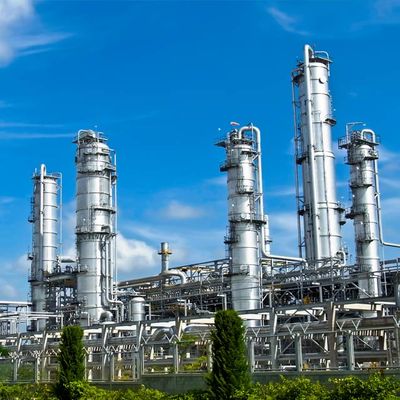
Biovoima - Biodiesel Plant
Biodiesel is environmentally-friendly and renewable fuel that can be produced from waste greases and oils from municipalities, restaurants and industry.
Biodiesel plant produces environmentally-friendly and profitable biodiesel from animal and vegetable fats and waste oils. Biodiesel can be used blended with normal diesel as transport fuel. Biodiesel can also be used as heating oil or fuel for generators. The end products of the production process are biodiesel and valuable glycerol that is utilized in the chemical industry. When biodiesel is made from grease instead of virgin raw materials, it has significant environmental benefits.
Suitable raw materials for a biodiesel plant include:
- used cooking oils from restaurants
- waste oils and fats from the food industry
- animal fats
- oils from fish production
- fat from grease traps and other low-grade fats mixed with water.
As the cost of biodiesel production is low and the demand for end products is high, the payback period of a biodiesel plant investment is typically short, usually 2-4 years. The plants are factory-built, so they are quick to install and start using. The minimum processing capacity for a profitable biodiesel project is typically 20 tons of feedstock per day. The capacity of a biodiesel plant can be scaled up.
- Modern, constantly developing technologies
- Over 20 reference projects
- Short payback period: typically 2-4 years
- The end product meets the requirements of ASTM D6751 and EN 14214 and has a very wide market as a blend with fossil diesel
- Easy to use, continuous, automated processes
- Extensive raw material base
- Suitable for decentralized biodiesel production
- Accurate technology solution based on the quality of the raw material
Benefits of the hybrid biodiesel process:
- Possibility to handle challenging feedstocks with FFA up to 20 %
- Methanol consumption ¼th compared to acid esterification
- Catalyst consumption ¼th compared to conventional process
- Very high total biodiesel yield
- Very good quality of end products (biodiesel and glycerol)
- Lowest processing cost in the industry and thus excellent profitability.
Benefits of a supercritical biodiesel process
- Process can handle feedstocks with FFA up to 100 %
- In case of challenging feedstocks, the production costs are significantly lower than with the traditional process
- No soaps, no salts and no side products formed during the process
- Excellent quality of end products
- Simple process, low maintenance costs