

Lighi Emitting Diode (LED)
The Light Emitting Diode (LED) is a semi-conductor PN junction diode that produces light as electrons flow through the junction. LEDs have been around for years and have been used as light indicators for computers, radios, cars, monitors and other electronic devices. However, they were never very bright and usually came in standard red, green or yellow colours.
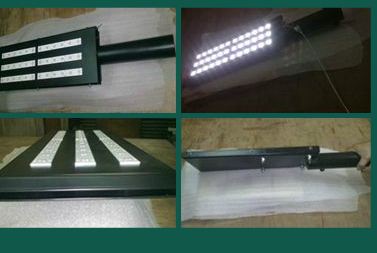
Today, LED replacement bulbs are very bright and come in brilliant white and a host of colour hues. Super bright red, yellow and green LEDs for Traffic signal lights have replaced the filament type 100 watt traffic light bulbs and this translates into savings in electricity consumption and manpower needed to replace traffic light bulbs for city municipalities. Even the filament type Flashlight bulb is being replaced with high light output, low current drain Light Emitting Diodes. In recent times, super bright LEDs are phasing out filament bulbs in Automotive and Truck lightings and soon Home lighting as well.Gading Kencana is able to offer a multitude of LED solutions for commercial and home use.Comparison of LED and Fluorescent Bulbs
- Single diodes, such as in a flashlight, or as a cluster of diodes to create a light bulb-
- Lasts upwards of 60,000 hours before needing to be replaced
- Uses about 6 watts of power, half the wattage of fluorescent bulbs
- For LED bulb, about 340 kilowatt hours is used
- LED lighting is ideal for directional lighting. Useful in lights such as flashlights and desk lamps. Also found in vehicle headlights and electronic devices for status lights
- LEDs do not contain mercury or harmful gases and are more durable due to compact sizes
- Range in size from tubes multiple feet long to the compact bulbs
- Lasts around 10.000 hours before needing to be replaced
- About 14 watts of power
- CFL bulbs use around 840 kilowatt hours of electricity
- Ideal for lighting up full rooms, with full-size tubes being ideal for large rooms such as warehouses where focused light is not needed. CFL bulbs are useful for home use and lighting up bedrooms and living areas
- CFLs and fluorescent bulbs do contain small amounts of mercury that can be poisonous if the bulb is broken