


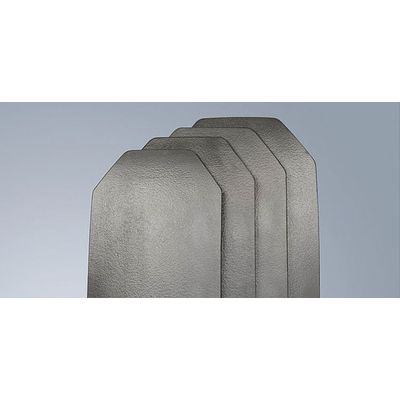
Keramikprofi - Lightweight Ballistic Protection Ceramics
The use of ceramics in ballistic protection offers a significant advantage for military forces, providing high levels of protection with minimal weight. Composites made from high-performance ceramics like boron carbide are used to protect against a range of threats including small arms and explosive devices, outperforming traditional materials like steel. Boron carbide, noted as the hardest material after diamond, is favored for its low density, making it ideal for reducing the load on personal and vehicle armor. Unlike metal armor, ceramic composites effectively distribute impact energy, using hard coatings such as Spectra Shield or Kevlar in conjunction with high-performance adhesives. These materials provide superior protection by ensuring energy is absorbed and dispersed, protecting against multiple impacts effectively. Adopting ceramic armors in various applications, including clothing, vehicles, and aircraft, promotes reduced weight and enhanced fuel efficiency and maneuverability. This technological advancement highlights a strategic shift from conventional metal armor to composite materials in military applications.
Military forces – whether on foot, land, water or in the air – require the best possible protection at the lowest possible weight. The properties of composite structures made from high-performance ceramics make them ideal for this application. They have a clear advantage over other materials and offer ballistic protection against projectiles from small arms, artillery and mortar fragments, IEDs and other explosives – even hollow charges.
Extremely hard and at the same time incredibly light – these are the properties that protective materials used for military equipment must have. What may sound like a contradiction is in fact a life-saving paradigm for military forces: maximum protection at minimum weight. Ceramics have increasingly been replacing the steel materials previously used for personal and vehicle protection in military applications.
After diamond, boron carbide in crystalline form is the hardest material known to man. At the same time, it has a comparatively low density and is therefore a material that’s particularly suitable for ballistic protection. Because of its properties, boron carbide also performs better than ceramic alternatives such as silicon carbide and aluminum oxide.
High-performance ceramics beat armor steel
“Today’s military personnel need protection that’s effective but at the same time light” – this is what you hear from everyone at defense congresses and fairs. They list the potential dangers in the field: ballistic projectiles from small arms, medium and large caliber rounds, artillery and mortar fragments, explosively formed projectiles (EFPs), improvised explosive devices (IEDs) and rocket-propelled grenades (RPGs).
If projectile bodies or fragments hit a plate made of hard ceramic, the kinetic energy is effectively distributed over the plate and then diverted into the composite matrix below. Hard ceramic protective plates can even withstand hollow charges. Unlike ordinary metal armor, which behaves like a liquid when hit by a hollow charge, hard ceramic merely reacts by forming cracks. At the same time, fragments of the ceramic penetrate the metal spike of the hollow charge or penetrator and widen it, which compresses them in front of the spike and inhibits penetration far more effectively than armor steel.