


Electrotherm (India) Ltd. | E&T Division
- Home
- Companies
- Electrotherm (India) Ltd. | E&T ...
- Products
- Electrotherm - Rotary Kiln with SL/RN ...
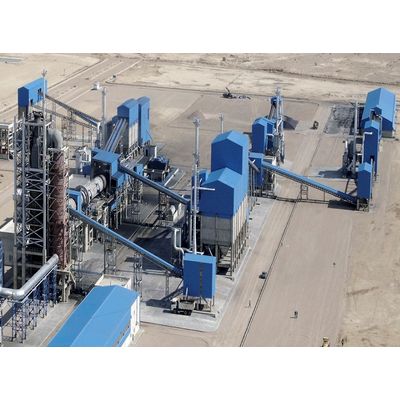
Electrotherm - Rotary Kiln with SL/RN Process
Coal Based Rotary Kiln for Direct Reduced Iron / Sponge Iron (100 TPD, 350 TPD, and 500 TPD) Solid-state reduction of Iron Ore using either coal/gas as a medium of reduction to produce a substitute raw material for steel making is termed as Direct Reduced Iron (DRI). Since DRI is produced by removing oxygen from iron ore, its structure is just like a sponge with a network of connecting pores. These pores result in a large internal surface area which is about 10,000 times greater than the internal surface area of solid iron. Due to this, DRI is also known as Sponge Iron.
Most popular related searches
rotary kiln
waste heat recovery
heat recovery
combustion chamber
coal feeding
coal gas
waste heat
coal plant
off-gas cleaning
gas cleaning system
Sponge Iron is gaining more popularity because of the following reasons…
- Scrap is getting scarcer by the day
- Quality and composition variations are compelling
- Tramp elements coupled with Sulphur and Phosphorus hamper the end product quality of sale-able steel
- Uniform known composition, size and high bulk density compared to scrap
- Low Capex and gestation period compared to Gas based DRI plant
- It can be produced with non-coking coal and poor quality of coal that is available in abundance
- Capability of forming protective layer of foamy slag in the bath
- Potential of sensible heat recovery from waste gases
- Maintenance of Sulphur level in steel by its removal during Sponge iron production**
- Lower refining requirements of steel produced
- It allows steelmaking to dilute metallic residuals in scrap
Main Components of the Rotary Kiln are…
- Raw Material Handling & Storage
- Rotary Kiln
- Rotary Cooler
- Magnetic Separators (MS)
- Dust Settling Chamber (DSC)
- Post Combustion Chamber (PCC)
- Product Handling & Storage
- Off Gas Handling & Cleaning System
Iron ore, coal, and limestone or dolomite are introduced into the preheated reactor at controlled rates through a feed pipe mounted through the feed end housing. Because the reactor is inclined from both the feed end to the discharge end, its rotation causes the iron ore and coal to mix and travel downward towards the exit. The rotational speed of the reactor can be adjusted to maintain the desired loading of the kiln and provide the required time to complete the reduction of the iron ore.
The quantity of coal feed is adjusted to get the required degree of production and to sustain the process. Adjustment of coal quantity can be done from the ends of the reactor, feed end as well as discharge end. The size fraction of the discharge end coal can also be adjusted to ensure the required distribution of coal along the length of the kiln as per requirement and optimize coal consumption without in any way affecting the quality of the product. These flexibilities in the system help to get a consistently good quality products and longer campaign life.
The air is supplied through the air piping system by fans mounted on the Kiln radially. The air piping system also contains on/off valves which open and close to admit air above the charge bed to aid combustion of over-bed gases and achieve desired temperature profile. The iron ore is converted to DRI as it traverses along the length of the kiln.
Hot product discharges from the reactor through a transition chute to the rotary drum cooler. The cooler is an inclined steel cylinder. Water is sprayed along its outside surface to provide a heat sink to cool the product as it moves from the feed end to the discharge end of the cooler.
-
ET has the distinction of being the designer, producer and user of Sponge Iron
-
Equipment and project designed according to international norms for longevity and optimal productivity
-
Intelligent raw material proportioning system
-
Versatile design adaptable to use wide range of raw material grades
-
Facility to substitute natural gas for some portion of coal
-
Advanced instrumentation & automation to reduce utilities’ consumption
-
High combustion efficiency through gas monitoring system
-
Highly engineered plant layout for minimal material handling and smooth material flow
-
Efficient plant and process design for maximum waste heat recovery
-
Pollution free plant with state-of-the-art dust suppression and collection system