


- Home
- Companies
- In Balance Energy Ltd
- Services
- Solar Roof Repairs Service
Solar Roof Repairs Service
A poorly designed and installed solar PV system can cause terrible damage to roofs, which over time can allow moisture to enter and further damage the structure of buildings. Cracked tiles, poor flashing work, damaged underlay, battens and rafters, use of incorrect fixings, poor installation methods, there`s a lot that can and has gone wrong when installing solar panels onto roofs. If you have a problem with your roof where solar panels have been installed we can help.
Solar panels installed onto tiled roofs
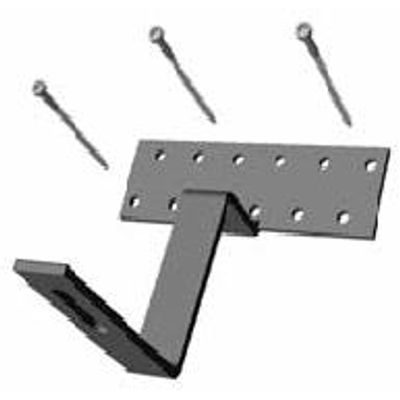
The most popular method of installing solar panels onto tiled roofs is by using roof hooks. The hooks are screwed directly into the roof rafters. Once the hooks are installed aluminium rails are secured onto the hooks, the solar panels are then secured to the rails using clamps.
What can go wrong?
Damaged underlay/felt: In the process of installing the hooks, roof tiles need to be removed in order to access the rafters. Exposed underlay is very easy to damage/tear, a dropped tile, hook or tool or a moments lack of concentration where someone missteps, slips or misses the rafter with a misplaced screw could very easily result in the underlay tearing.
Replacing/repairing damaged underlay means removing a lot more roof tiles as well as battens and turns the solar installation into a much bigger and more time consuming job. A job which many solar installers might not be equiped to carry out, maybe they don`t carry spare roofing materials with them or maybe given tears are often hidden with tiles installed above, they don`t consider it to be important enough to rectify at the time.
Damaged underlay doesn`t necessarily results in leaks but it does leave the roof vulnerable to water ingress should there also be damaged/worn tiles higher up the roof.
Solar Roof Hooks
Broken Roof Tiles: There are some roofs where you can almost guarantee that some roof tiles will be broken in the process of installing the solar panels. Older roofs and particularly roofs comprising of the small clay rosemary type tiles you just can`t apply any weight to without some breaking.
If the installer isn`t prepared for this in advance with spares, then it might be a temptation to hide the broken tiles under the panels or just leave them. A broken tile reduces the integrity of the roof and allows space for water to get in. Coupled with damaged, non existent or poorly installed felt, the water will then have a path to get into the house.
Poorly installed hooks: When installed correctly, the middle section of a roof hook rests neatly between two courses of tiles. Without applying any pressure/weight to the tile below and avoiding the tile above from sticking up.
The way this is best achieved is to adjust the hook to the right height for the lower tile allowing for the weight of the PV array before screwing the hook in and by grinding a notch out of the tile above. The objective being to put all the roof tiles back so everything integrates just as it was to start with, with all of the weight applied directly to the rafter.
We sometimes find that this preparation hasn`t always been done or that the wrong sized or incorrectly adjusted hooks have been used. Broken tiles directly underneath roof hooks is something we find often. The integrity of the roof in terms of leaks is then dependent on the integrity of the underlay underneath.
Solar panels installed onto slate roofs
The structure of a slate roof introduces more considerations and materials than you would find with a tiled roof but our preferred installation method is similar using hooks, with the same considerations and potential issues that we find with the tiled roofs outlined above. However, in addition, given that slates are thin and installed in double layers, they need to be treated a little differently as we outline below, also what we often find with slate roofs where solar panels have been installed is the use of hanger bolts such as the one pictured.
What can go wrong?
Hanger Bolts: Hanger Bolts are typically used on corrugated roofs, comprised of large fibre cement sheets such as those that you might find on an agricutural building. However we also find these have been commonly used to install solar panels onto slate roofs.
Hanger Bolts
The use of hanger bolts on a slate roof is asking for problems, to access the rafter the installer will need to drill through two courses of slates. This saves a significant amount of time and materials but it also introduces multiple potential points of water ingress (everywhere a bolt has been installed). The weathertightness being dependent on the weatherproofing around the bolt. Should the weatherproofing around the bolt fail there will then be a direct route for water to get into the roof, the benefits of a slate roof where multiple slates overlap being lost.
Flashings: To access the rafter on a slate roof at least three slates (often more) need to be removed. As roof hooks are thicker than the slates, the slates are cut around the hook before being reinstalled and additional flashings installed over the hook and under the upper course of slates to maintain the double overlap at all points.
Solar Panel Removal and Reinstallation
If you are planning to re-roof your property or to carry out other major works that affect the solar PV system, including changing the system design or moving panels to a new location. We will be very happy to work with you and your roofers/builders to ensure that the solar part is as cost effective and hassle free as possible. We are already well known and have worked with many local roofers and builders on projects like this and will be pleased to work with more. We can carry out as much or as little of the works as is required and timings can be scheduled to fit in with the works being carried out on-site. Systems are tested and safely isolated before removal and retested before recommissioning after reinstallation.