


- Home
- Companies
- Paprec Group
- Services
- Waste-To-Energy Services
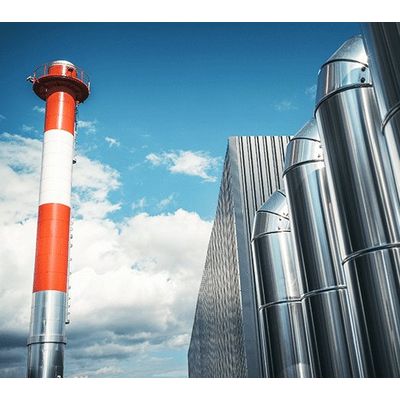
Waste-To-Energy Services
Producing energy from waste is a solution for the future to make the most of the full calorific value of waste that cannot be recycled. We can help with the collection and processing of this waste to be transformed into a combustible fuel in the renewable energies category. 83: % of gas produced from waste is recovered from storage sites for non-hazardous waste. 50,000: tonnes of solid recovered fuel is manufactured by Paprec every
When all recoverable materials have been extracted, or if the waste cannot be recycled or processed by the traditional selective collection circuits, turning it into energy (production of electricity, heat, fuel) is an environmentally-friendly alternative, since this energy can be used instead of fossil energy.
Various techniques exist :
- Thermal techniques involving incineration, pyrolysis or gasification,
- Biogas recovery from non-hazardous waste and methanation of food or organic waste.
Controlling environmental impact is an important challenge for businesses and public authorities, which are required to meet the increasingly ambitious targets set by public policy-makers. To help you to optimise and reduce the storage of your waste, Paprec proposes a range of solutions covering all waste-to-energy methods: from sorting to collection of waste flows including depackaging, grouping by material, and transportation.
WASTE-TO-ENERGY INCINERATIONHaving acquired a stake in Inova Opérations, Paprec now operates four incinerators, known as waste-to-energy plants. These plants process almost 220,000 tonnes of household waste per year. The waste is used to produce electricity, steam or hot water to supply heating networks.
Without oxygen, fermentation of the organic portion of household waste causes a reaction that produces biogas: methanation. This biogas is then reinjected into motors, turbines and boiler systems to produce electricity and heat.
BIOWASTE METHANATIONOrganic waste from agriculture, the agri-food industry and institutional catering activities is another important source for the production of methane. This chemical compound is then transported to biogas production plants to be transformed into electricity or heat.
PRODUCTION OF SRF (SOLID RECOVERED FUEL)SRF production, using the sorting rejects of ordinary industrial waste, construction site waste, and selective collection, as well as bulk waste from recycling centres, is a particularly efficient way of reducing the volume of waste in storage facilities. It enables recovery of up to 98% of household waste and ordinary industrial waste.
Using waste to produce energy means transforming waste into a renewable source of energy. It thus saves the earth’s natural resources and enables greenhouse gas emissions to be reduced.
IT IS THE FUTURE FOR BUSINESSES AND PUBLIC AUTHORITIESThe annual increase from now until 2025 in TGAP (the tax on pollutant activities) on landfill waste or waste incinerated without energy recovery, aims to encourage businesses and public authorities to opt for recycling and waste-to-energy processes. Efforts made by businesses and public authorities in favour of virtuous waste recovery circles are thus rewarded by lower charges and taxes.
A STRONG RECOMMENDATION BY THE GOVERNMENTAlthough the energy transition law does not impose the production of energy from waste, its targets, such as the 50% reduction in waste in storage facilities by 2025, makes it an increasingly unavoidable alternative.