


Beston Group Co., Ltd. articles
Charcoal making machines have revolutionized the way biomass is converted into high-quality charcoal. While these machines contain many parts, only a few core components truly determine their efficiency, durability, and output quality. Knowing these critical parts is essential for anyone operating, maintaining, or investing in a charcoal production setup.
1. Pyrolysis Chamber
The pyrolysis chamber is the heart of any
The voluntary carbon market (VCM) has emerged as a significant avenue for businesses and organizations to offset their carbon emissions. As climate change continues to drive policy and regulatory changes worldwide, the demand for carbon credits has soared. For biochar producers, this market presents a unique opportunity to monetize carbon sequestration efforts while contributing to global sustainability. However, entering the voluntary carbon market requires a deep understanding of both the t
The pyrolysis process, often associated with waste-to-energy conversion, involves the thermal decomposition of organic materials in an oxygen-limited environment. While much attention has been given to the production of biofuels and solid char, the combustible gas generated during pyrolysis holds significant untapped potential. These gases, primarily composed of hydrogen, methane, carbon monoxide, and volatile organic compounds, can be harnessed for a wide range of high-value applications bey
The European Union’s Plastic Packaging and Packaging Waste Regulation (PPWR), coming into effect in 2026, sets stricter requirements on recycled content, recyclability, and environmental impact of plastic packaging. Meeting these targets is challenging, especially for complex or multi-layer plastics. Pyrolysis oil, a liquid product derived from waste plastic pyrolysis, is emerging as a valuable tool to support compliance with these new regulations.
1. Understanding the 2026 EU
Our planet is drowning in waste—from mountainous tyre piles to non-recyclable plastics and agricultural residues. But what if these environmental burdens could be transformed into high-value commodities? Enter pyrolysis technology, a game-changer in waste management that leverages heat in an oxygen-free environment to break down organic materials. At the heart of this revolution lies the pyrolysis plant, a specialized facility that turns waste into fuel, chemicals and other useful produ
Biochar yield is one of the most important performance indicators of a biomass pyrolysis system. It reflects how efficiently the equipment converts raw biomass into stable carbon products. The yield depends on several factors, including feedstock type, moisture content, particle size, and pyrolysis temperature.
1. What Is Biochar Yield?
Biochar yield is the proportion of solid carbon (biochar) obtained after the pyrolysis process of
Charcoal has played a pivotal role in the evolution of metallurgical and industrial heating processes for centuries. Even in the age of advanced fossil fuels and electricity-based furnaces, it remains a critical thermal medium due to its unique physicochemical characteristics. With modern carbonization systems such as the palm shell charcoal machine, industries are now revisiting charcoal’s potential as a cleaner and more sustainable heat source.
Role of Charcoal in Metal
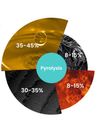
A waste tyre pyrolysis plant converts discarded rubber materials into valuable secondary resources through thermochemical decomposition. Operating under an oxygen-limited environment, this process separates complex hydrocarbon chains into fuel oil, carbon black, and combustible gas. Each output possesses distinct physicochemical characteristics and serves a specific role in industrial energy recovery and material production.
Fuel Oil Recovery and Applications
The
Biochar, a carbon-rich material derived from biomass through thermal decomposition, has gained prominence as both a soil amendment and an industrial input. The utilization of biochar pyrolysis equipment allows for controlled production, ensuring consistent quality and scalability. Beyond agriculture, biochar exhibits multifaceted applications in industrial domains where its physical and chemical attributes deliver tangible advantages.
Metallurgical Processes
The m
Degraded soils and declining land productivity have become pressing concerns in agricultural landscapes. Agroforestry systems and rehabilitation programs increasingly turn to biochar as a restorative medium. At the center of this transition lies the biochar machine, a technology designed to convert organic residues into stable carbon material that revitalizes soil and enhances ecological resilience.
Transforming Agricultural Residues
The