
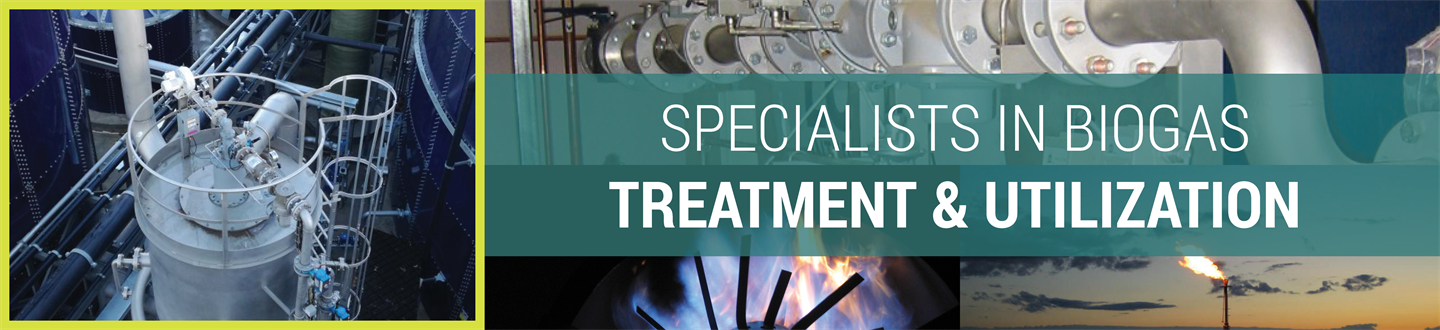

DWS BVBA products
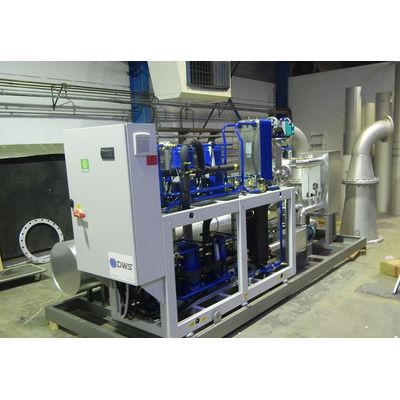
Biogas Dryer
Biogas leaving the anaerobic digesters or biogas desulfurization units can be oversaturated with water vapor, which can reach up to 25% of the biogas volume. While passing the pipes and other equipment, the temperature of the biogas decreases, causing the change of physical state of the vapor to liquid. The presence of hydrogen sulfide, nitrogen and carbon dioxide in the condensed water results in the formation of corrosive acids which destructive nature can lead to significant damage to the installation. The skid-mounted biogas dryer from DWS is one of the most effective biogas dehumidification systems on the market. The main components – the chiller and gas-liquid heat exchanger – being built out of corrosion-proof materials, make the skid suitable to be a part of outdoor installations.
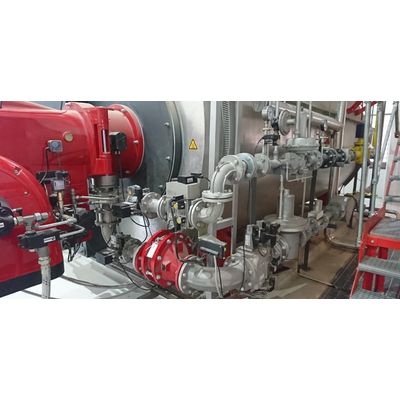
Multi-Fuel Burner Systems
To successfully use biogas as a fuel, our engineers can design and implement modification of the burners at your plant. Whether those are indirect water heaters, steam boilers, turbines – you can start to operate them in multi-fuel mode thanks to DWS’ custom solution. Duel-fuel or multi-fuel burners include the possibility of operation with two or more gases or oil and gases streams. After implemented changes, the system can operate either on biogas only or if in case of dual-fuel mode – biogas and other gas simultaneously. The heat or steam demand dictates the regulation of the biogas and supplementary fuels flow as needed for uninterrupted operation. All the necessary instrumentation, valves, and filters are always chosen based on customer needs and local conditions.
Flares
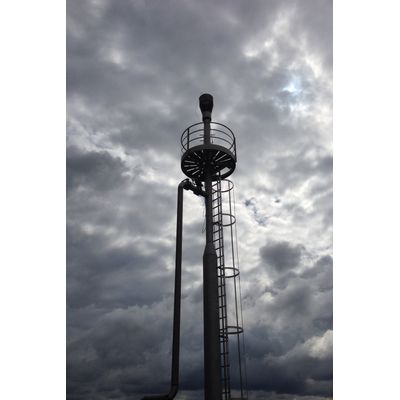
Elevated Flare
As one of the most used elevated flares around the world, our flare owes its popularity to its robustness, reliability, and durability. Just like our other flares, the elevated flare is designed to work consistently at ambient temperatures varying from -15 °C to +45 °C. No weather conditions nor dirt and water can prevent the system from sparking. In addition to our standard self-supporting free standing flare stack, flame arrester, instrumentation, and control panel, every elevated flare is equipped with DWS’s: high retention flare tip; high energy ignition system with high-temperature weatherproof electrode for direct ignition of the main burner; flame detector. All the valves and additional equipment can be provided in accordance with the ATEX directive.
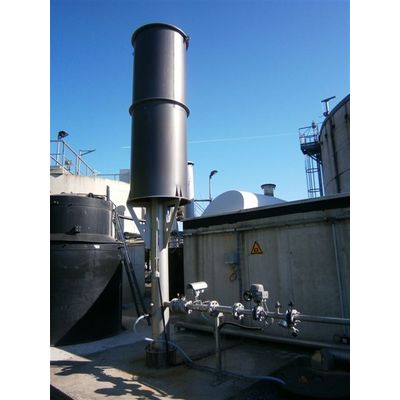
Shielded Flare
Shielded flares cover the majority of the flame behind a heat resistant shield. The flare construction makes it possible to safely burn the gases at a lower height than the elevated flares. In addition to basic components such as self-supporting free standing flare with the combustion chamber, instrumentation, and control panel, our shielded flare is equipped with: High retention burner; Ignition system with the weatherproof electrode; Flame detector; Flame arrestor; Waterlock for automatic condensate removal. All the valves and additional equipment can be provided in accordance with the ATEX directive.
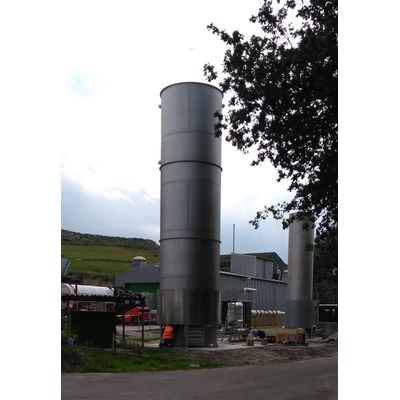
Ground Flare
Temperature controlled ground flares allow for operation between 800 and 950° C (max 1100 °C) guaranteeing maximum methane oxidation. Besides keeping the flaring temperature within the required range, applied insulation is also an excellent noise muffler. In addition to basic components such as self-supporting flare stack, instrumentation, and control panel, according to our standards, every hot ground flare is equipped with: Temperature measuring transmitters; Temperature controller build in the control panel; The 100 mm thick mounted ceramic stack bound; Two air dampers integrated into the body of the stack to control the burning temperature; High retention low NOx burner; Ignition system with the weatherproof electrode; Pilot burner; Fail-save UV flame detector; Flame arrestor. All the valves and additional equipment can be provided in accordance with the ATEX directive.
Biogas Desulfurization
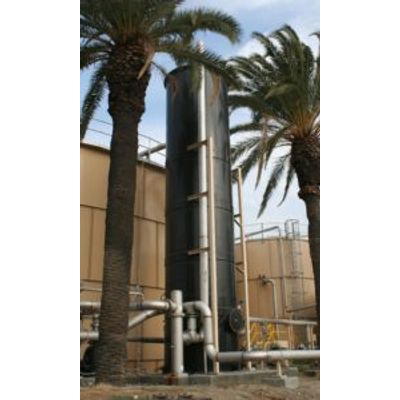
Wet Biogas Scrubber
The wet biogas scrubber from DWS is an ideal solution for the treatment of biogas with hydrogen sulfide concertations between 1 to 5%. Biogas is blown through a column packed with porous material, with a high contact surface between biogas and washing liquid for an enhanced H2S dissolution.