
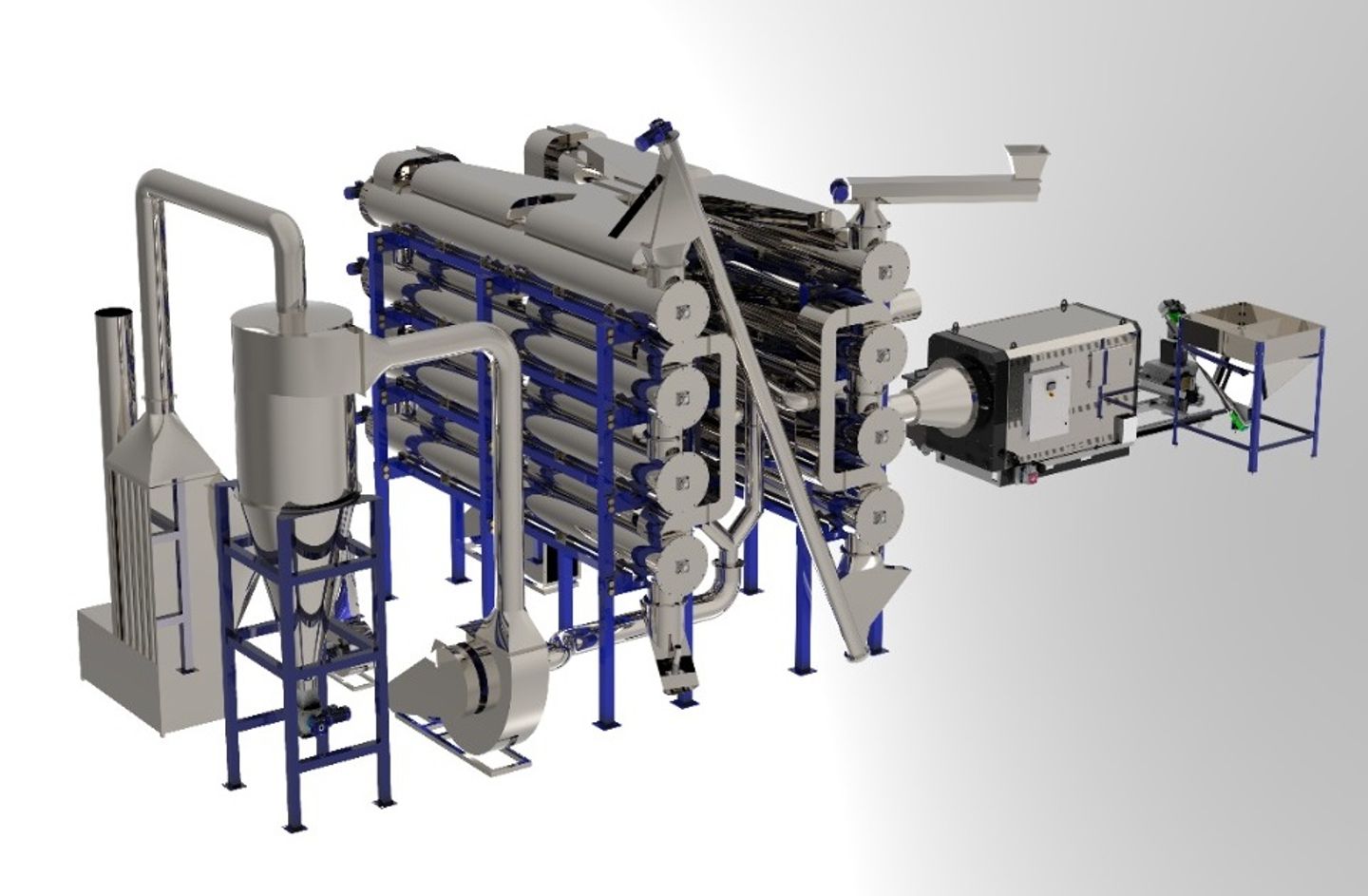

Kapa Engineering S.r.l.s products
Incinerators - Hefaistus
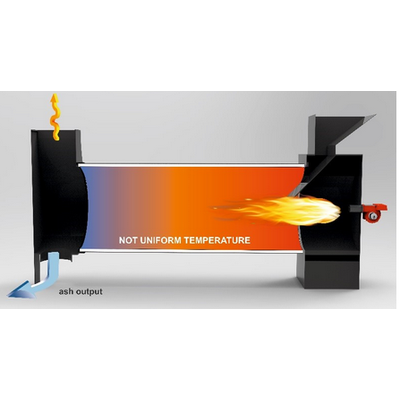
Kapa - Model Hefaistus - Static Incinerators
Static incinerators offer controlled combustion capable of easily handling thermo-destruction, along with operational simplicity, high-quality performance, and significant reduction in both solid and gaseous pollutant emissions. The incineration cycle occurs entirely automatically, allowing for much-reduced staffing compared to traditional rotary kilns. Fuel and electricity consumption are also notably lower.
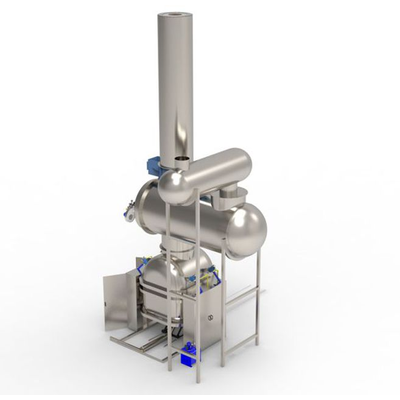
Feeder - Model Hefaistus Nature - Incinerators
The HEFAISTUS incinerator by Kapa Engineering has been designed to ensure both personnel safety through equipment and the environment itself. Therefore, physical concepts have been thought out and applied in this project uniquely and meticulously.
Incinerators
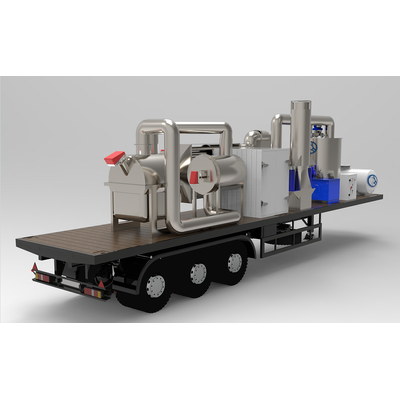
Kapa - Mobile Incinerators
The most robust, reliable and efficient mobile incinerators on the market. Only one operator is needed for the entire process and this user only needs to perform minimal interaction. The hydraulically operated automatic loader opens and closes easily while the plc controller can be preset with the cycle program or manually entered if the operator has been fully trained. The rest is done by the incinerator.
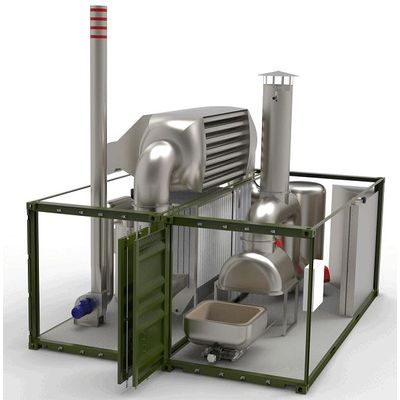
Kapa - Containerized Incinerators
Containerization is the most feasible and practical option compared to building fixed structures. Our systems have the added benefit of full mobility (both local and international) and are ideal for military camps, mining operations and remote locations where infrastructure is poor. They are also ideal for use as emergency incinerators in disaster zones or humanitarian crises.
Biomass Burners
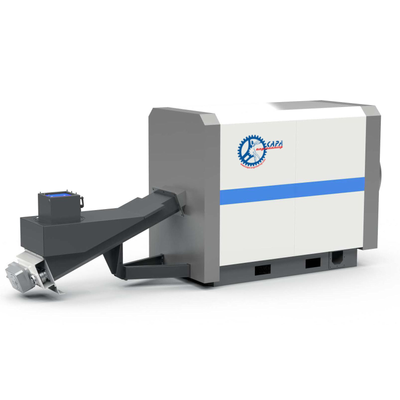
Kapa - Model ERCOLE - Biomass Burners
One of the most important targets of KAPA ENGINEERING is to guarantee energy production solutions with maximum efficiency. Based on our many years of experience and results, we design and produce biomass boilers.
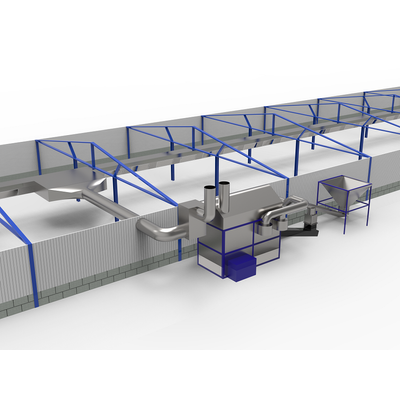
Kapa - Biomass Hot Air Generators
Biomass hot air generators, for any professional use with intelligent management of their operation to achieve maximum levels of efficiency with minimum consumption and emissions, contributing to environmental protection since they not only reduce CO2 but can use agricultural residues or manure or chicken droppings as fuel.