

National Alternative Fuels Training Consortium (NAFTC)
2 training found

National Alternative Fuels Training Consortium (NAFTC) training

Courses

Propane Autogas Vehicle Technician Training Course

The Propane Autogas Vehicle Technician Training Course offered by the National Alternative Fuels Training Consortium at West Virginia University is designed for groups to learn how to efficiently service and maintain propane autogas vehicles. The comprehensive training encompasses various aspects such as the functioning of liquid and vapor-injected systems, and the differences between converted and factory-made vehicles. Participants gain insights into components like injection systems, engine design, fuel systems, and electric controls, along with the physical properties and characteristics of propane autogas. The course also covers the production process of propane autogas, its advantages and limitations, and essential safety practices. By the end of the course, participants are equipped to retrofit conventional vehicles to utilize propane autogas effectively, applying safety protocols during maintenance operations.
Biodiesel Course for Engine Systems and Production

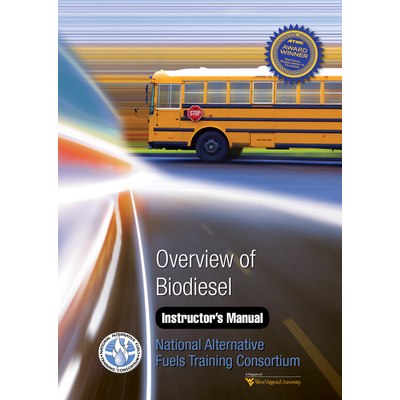
The Biodiesel Course offered by West Virginia University's National Alternative Fuels Training Consortium is tailored for groups seeking a comprehensive understanding of biodiesel systems and production. This course delves into the intricacies of engine systems compatible with biodiesel, the array of biodiesel blends available, and the methodologies for biodiesel production. Participants are educated on the alternatives to petroleum-based fuels, emphasizing the significance of safety measures when handling chemicals necessary for biodiesel manufacturing. The course further outlines the process of titration and the various techniques involved. A pivotal component of the curriculum includes an in-depth analysis of ASTM D6751 standards, providing learners with insights into the technical benchmarks for biodiesel quality. Upon completing the course, participants will not only grasp the operational and safety protocols but also the technological advantages and limitations inherent in biodiesel as an alternative fuel.