


Solarnova Deutschland GmbH products
Solar Modules
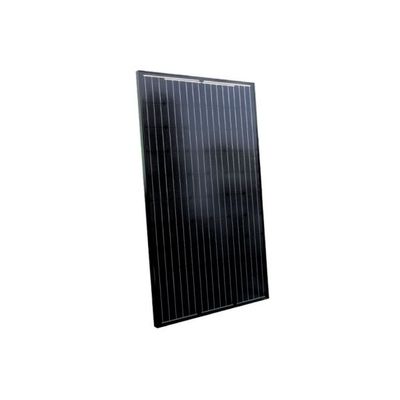
Solarnova - Monocrystalline Solar Module
Since 1996, we have been developing and manufacturing high-grade photovoltaic modules for building integration and conventional uses. The roots of the company go very far back: The company founders came from AEG-Solartechnik, which had already constructed one of the first PV production lines by the 1980s. Our decades of experience allow us to achieve high standards in our work and ensure the reliability, performance and a consistent high quality for each individual module. As a result, our customers reap the benefits, in particular from higher expected yields.

Solarnova - Polycrystalline Solar Module
Since 1996, we have been developing and manufacturing high-grade photovoltaic modules for building integration and conventional uses. The roots of the company go very far back: The company founders came from AEG-Solartechnik, which had already constructed one of the first PV production lines by the 1980s. Our decades of experience allow us to achieve high standards in our work and ensure the reliability, performance and a consistent high quality for each individual module. As a result, our customers reap the benefits, in particular from higher expected yields.
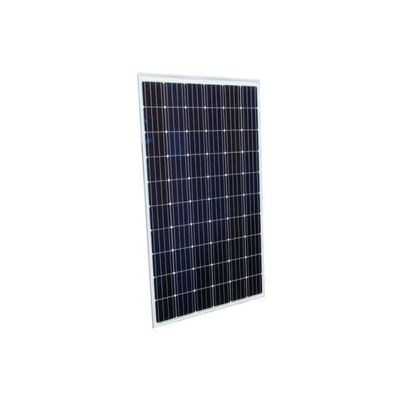
Solarnova - Monocrystalline Solar Module
Since 1996, we have been developing and manufacturing high-grade photovoltaic modules for building integration and conventional uses. The roots of the company go very far back: The company founders came from AEG-Solartechnik, which had already constructed one of the first PV production lines by the 1980s. Our decades of experience allow us to achieve high standards in our work and ensure the reliability, performance and a consistent high quality for each individual module. As a result, our customers reap the benefits, in particular from higher expected yields.
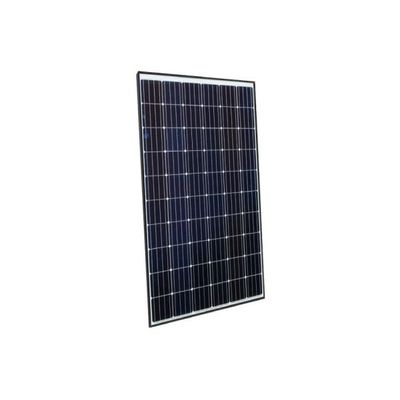
Solarnova - Black Framed Monocrystalline Solar Module
Since 1996, we have been developing and manufacturing high-grade photovoltaic modules for building integration and conventional uses. The roots of the company go very far back: The company founders came from AEG-Solartechnik, which had already constructed one of the first PV production lines by the 1980s. Our decades of experience allow us to achieve high standards in our work and ensure the reliability, performance and a consistent high quality for each individual module. As a result, our customers reap the benefits, in particular from higher expected yields.
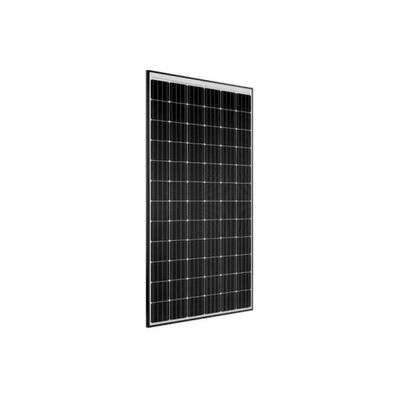
Solarnova - Monocrystalline Solar Module
Since 1996, we have been developing and manufacturing high-grade photovoltaic modules for building integration and conventional uses. The roots of the company go very far back: The company founders came from AEG-Solartechnik, which had already constructed one of the first PV production lines by the 1980s. Our decades of experience allow us to achieve high standards in our work and ensure the reliability, performance and a consistent high quality for each individual module. As a result, our customers reap the benefits, in particular from higher expected yields.
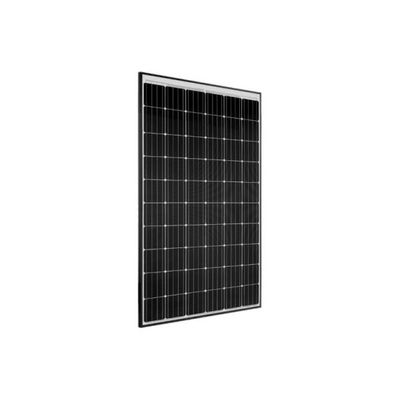
Solarnova - Monocrystalline Solar Module
Since 1996, we have been developing and manufacturing high-grade photovoltaic modules for building integration and conventional uses. The roots of the company go very far back: The company founders came from AEG-Solartechnik, which had already constructed one of the first PV production lines by the 1980s. Our decades of experience allow us to achieve high standards in our work and ensure the reliability, performance and a consistent high quality for each individual module. As a result, our customers reap the benefits, in particular from higher expected yields.
BIPV - Facade
Solarnova - Cold Facade
In this facade type, the thermally insulated structure surfaces are fitted with solar modules as weather protection. The cold facade is a curtain facade where all parts of the construction are mounted without thermal separation as there is no connection to the warm part of the building. Solar modules produced with double-glazing technology permit the use of reflective or ceramically coated glass to add color in the facade – and to your design plans. A rear-ventilated cold facade is ideal for using solar modules made of crystalline solar cells: the system’s efficiency factor is enhanced by rear ventilation.
Solarnova - Glass Backsheet Solar Module
Our glass backsheet solar modules are produced with a transparent, white or black backsheet. Its light weight makes glass backsheet solar modules the ideal solution for areas where lamination safety glass is not required. Other forms and module transparency properties can also be produced to individual customer specifications.
BIPV - Sunshading
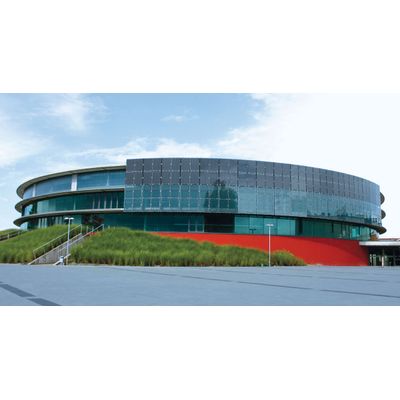
Solarnova - Sunshading Solar Module
Solar modules not only „capture“ sunlight, but can also protect against the sun. Solar sunshading systems are key elements in an increasingly glazed, transparent architecture, while simultaneously minimizing the cooling loads. In addition to shading created by the solar glass facades or overhead glazing, various systems can be applied. Moving slat systems are used for sunshading and to support daylight illumination. The shading systems with photovoltaic slats are designed to track the course of the sun and are a top quality, multifunctional type of solar integration. The fully adjustable tracking system permits glare-free shading all day with optimum daylight yield and high solar power generation.
BIPV - Overhead Glazing
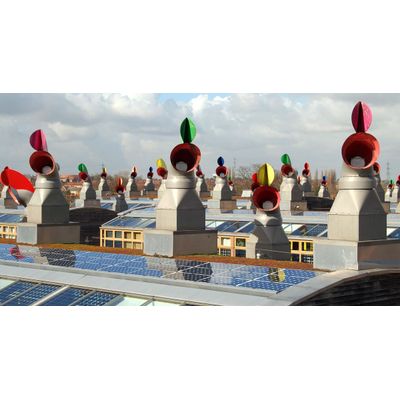
Solarnova - Overhead Glazing Solar Module
In many installations, our modules are fitted in the form of so-called overhead glazing. The rules for vertical and overhead glazing are summarized in general terms in the Technical Rules for Using Linear Glazing –TRLV (Technischen Richtlinien für die Verwendung von linienförmig gelagerten Verglasungen). Overhead glazing is defined as having a slant of >10° while vertical glazing has a slant of ≤ 10° to the perpendicular. These rules apply to glazing with continuous linear supports on two opposite sides. They also describe the necessary glass inset in the support profiles. Due consideration is given to snow loads, wind pressure and wind suction together with other load elements playing a decisive role in dimensioning the glass.