

Sterling TT - Air-cooled Condensers
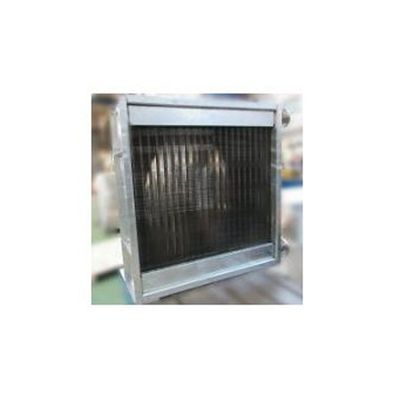
Air-cooled condensers are heat exchangers that take a process stream in gaseous form, cool it below its dewpoint and discharge a stream with the majority of the material in liquid form. Multiple axial flow fans are generally used to supply the cooling ambient air. The medium being cooled is dependent on the process being considered. Most of the applications are in petrochemical, power generation, and refrigeration.
- Reliable – We determine the appropriate construction of your air cooled condensers by considering the details of the application and process. That way, we ensure the equipment has the optimum reliability.
- Compliant – We have vast experience in meeting codes and specification. Therefore, we make sure we appropriately address all building requirements to satisfy you, the third parties or the statutory authorities.
- Flexible – We optimise our designs within any constraints placed as a result of plant layout, operational requirements or maintenance considerations.
- Trouble Free – We offer equipment with options to suit the requirements for minimal maintenance intervention and extended design life.
An air-cooled condenser uses ambient air to remove heat from the gas stream. In commercial refrigerant applications, the superheated refrigerant is cooled and condensed in a finned tube array. At Sterling Thermal Technology, we enhance the internal surface of the finned tubes to optimise the condensation of refrigerants. The design pressure of the system in conjunction with the potential for fouling and corrosion, determine the tube and external fin arrangements.
In the petrochemical industries where the majority of applications are for steam condensation, a range of specifications may be applied. It limits the usable design solutions or doesn’t permit the enhancement of internal tube surfaces. Tube material diameters and wall thicknesses may be strictly controlled.
An air-cooled steam condenser takes low-pressure steam after a process and condenses it to allow discharge as condensate. The resulting condensate may be contaminated with other materials from the process. As a result, the stream may then undergo further treatments before releasing to the environment.
The area of application will determine major factors in the fan selection, mechanical build and general specification requirements of the equipment. The specification of fans may vary significantly. Axial fan coverage, overall efficiency, fan tip speed and generated noise in addition to the geometry associated with plenum arrangements need to be considered. All factors must be in full compliance with the appropriate specifications and identified environmental conditions.
Our expertise in fin design and understanding of a full range of specifications ensures that we deliver solutions in compliance with the appropriate codes and specifications.