


- Home
- Companies
- Clarke Energy
- Products
- Clarke Energy - Model 7.1 MW - Biogas ...
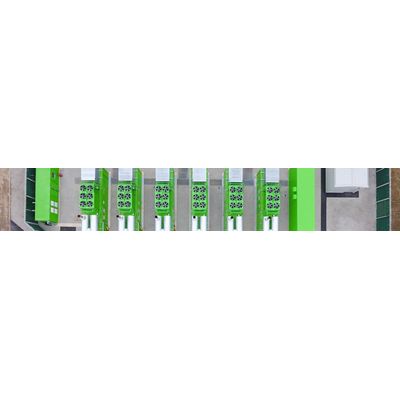
Clarke Energy - Model 7.1 MW -Biogas Peaking Stations
Biogas peaking stations are biogas-fuelled energy generation stations that are powered by biogas or biomethane. Biogas is one of the few dispatchable renewable energy technologies. Whereby wind and solar energy generate when the wind blows or sun shines biogas can generate electricity on demand, if the fuel has been stored in advance. This means at peak times and to balance electricity demand and supply, biogas peaking stations along with storage technologies can be used to deliver a wholly renewable electricity grid.
Much encouragement has been given globally for the generation of biogas from wastes in recent years, recognising the contribution anaerobic digestion technology, that which produces biogas, makes towards the reduction in emissions from the treatment of waste and also the generation of renewable electricity and heat.
One challenge for biogas peaking stations is how to store enough biogas to feed the gas engines that can generate energy from the fuel. Typically, anaerobic digesters supplying baseload power, i.e. steady generation of electricity, heat and possibly cooling, have sufficient biogas buffer storage on site for 4 hours of power.
Larger on-site gas storage can facilitate a longer dispatch time for power produced at the anaerobic digesters.
Alternatively, where biogas upgrading technology is used to inject cleaned biomethane into the grid, it is possible to link this to pipeline-gas fuelled gas peaking plants. The gas distribution network can be used to store and transport the biomethane to a different site for use. Contractually this is possible, either through the peaking plant buying green gas credits such as ‘Green Gas Certificates’ or alternatively and more neatly directly linking the input of biomethane to the grid with the resulting off-taker.