

- Home
- Companies
- Bioforcetech Corporation
- Products
- Biochar - Carbon Rich Material
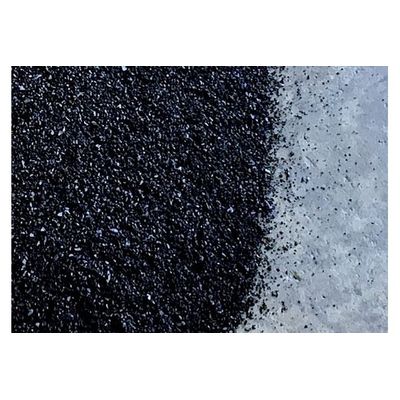
Biochar - Carbon Rich Material
From the day that we founded Bioforcetech, we dreamed about transforming waste into a valuable product. Biochar is a high-carbon, fine-grained residue that today is produced through modern pyrolysis processes. Producing Biochar, a carbon rich material, from organic waste is the ultimate sustainable solution for waste management: it sequesters CO2, reintroduces important elements in the environment, substitutes highly polluting materials, and gives all of us the opportunity to create a stronger circular economy.
Environment
SEQUESTER CO2
Biochar can be distinguished from charcoal, which is used mainly as a fuel. Biochar is primarily used as a soil amendment to improve soil functions and to reduce emissions from biomass that would otherwise naturally degrade to greenhouse gases. By producing Biochar, the carbon that was previously in the atmosphere is now returned to the soil potentially slowing climate change.
Humans
STERILIZED AND SAFE
The Biochar produced through the BFT Pyrolysis systems is safe, free of pathogens and contaminants. While pollutants are destroyed, nutrients are preserved, resulting in a great product for soil amendment and remediation applications. Bioforcetech was able to obtain the CDFA approval for the biochar produced from Biosolids at the Redwood City, CA installation.
Economics
CIRCULAR ECONOMY
The Biochar produced by the Bioforcetech system has the highest quality and value. Wastewater treatment plants and collecting facilities process waste through the Bioforcetech system. The Biochar produced can then be reused by Cities for Park and Recreational Areas to close the sustainability loop.
Biochar is a really valuable by-product of pyrolysis and can be used in many different ways. Biochar is mostly know as a great soil amendment, but it can be also used as absorber in functional clothing, insulation in the building industry, as carbon electrodes in super-capacitors for energy storage, food packaging, waste water treatment, air cleaning, silage agent or feed supplement, for drinking water filtration, sanitation of human and kitchen wastes, and as a composting agent.