

- Home
- Companies
- Baoji Yinggao Metal Materials Co., Ltd.
- Products
- Toptitech - Titanium Electrode Plate ...
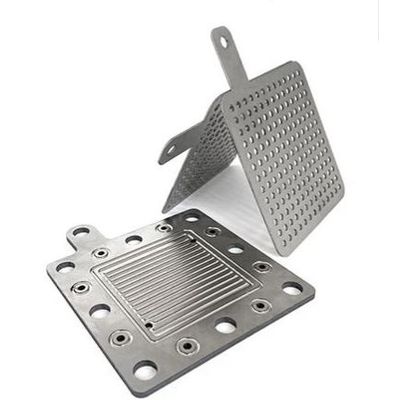
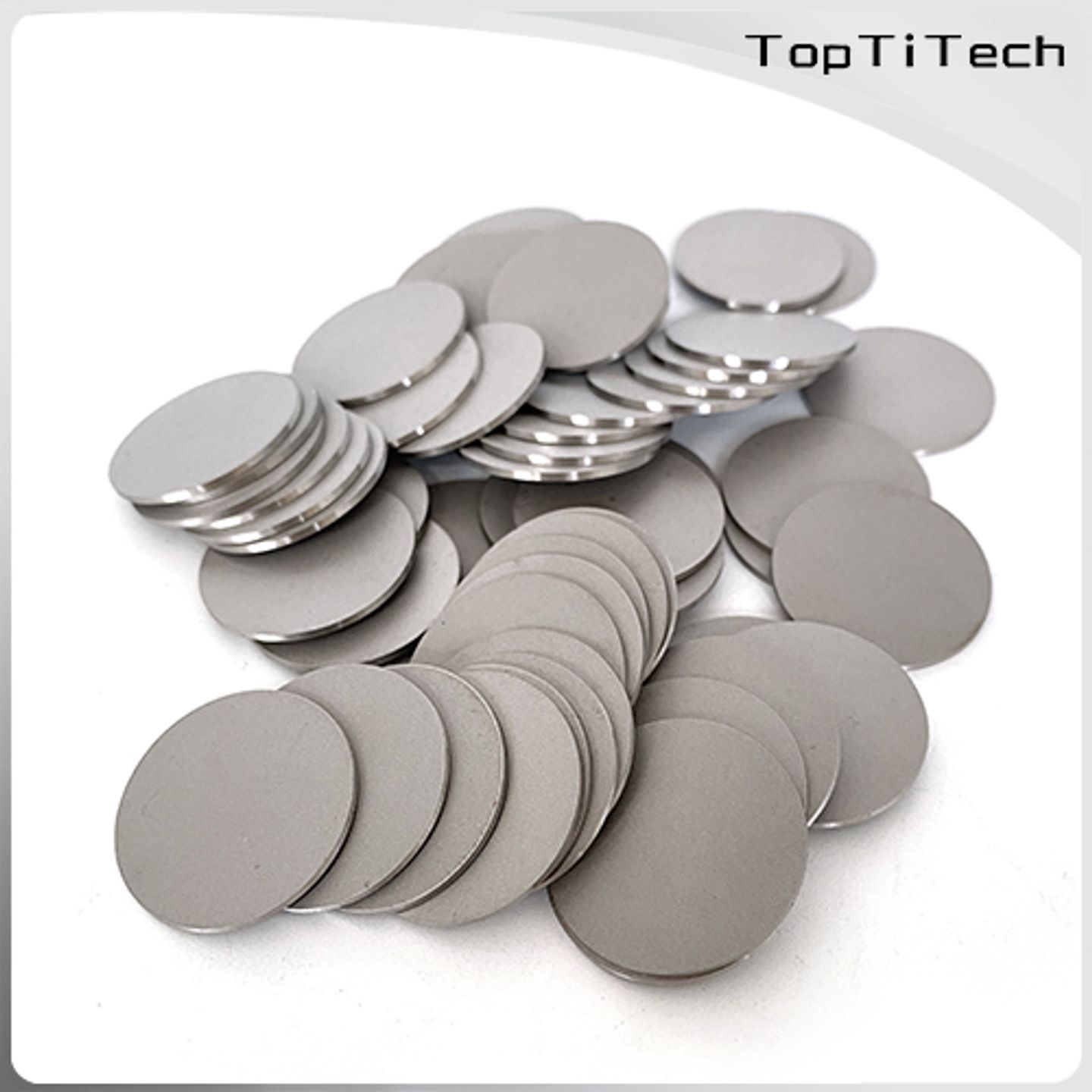
Toptitech - Titanium Electrode Plate for Hydrogen Electrolyzer
The metal oxide-coated titanium electrode is briefly introduced. Titanium electrode has been used in many electrolytic industries since their invention. The titanium electrode was first invented by H.Beer in 1965.
- Low working voltage, low power consumption, and dc power consumption can be reduced by 10-20%.
- Titanium anode has a long service life.
- The shape is easy to make and can be of high precision.
- Can effectively reduce the electrolytic cell voltage.
Titanium Electrode dates back more than 200 years to 1786. The most representative caustic soda industry aqueous solution electrolysis industry can explain the history of electrode materials.
Saline electrolysis was initially in the laboratory, using a platinum electrode, natural carbon electrode, natural graphite electrode, magnetic iron oxide electrode, and lead dioxide electrode. These are the first electrode materials tested.
Saltwater electrolysis requires that the anode material has good point catalytic performance for chlorine precipitation, good durability, and the ability to inhibit oxygen precipitation. The first electrode used in industrial production was the graphite electrode. The graphite electrode can fully meet the above requirements when the concentration of saltwater is high. However, it is found that the graphite anode has the following disadvantages in the long production: high resistance
Therefore, the power consumption is large; With the process of electrochemical reaction, the loss of graphite electrode is large, and the electrode distance changes, resulting in unstable electrolytic production. Chlorinated reactive surfaces are difficult to maintain.
After human history entered the 1960s, the petrochemical industry developed rapidly, many large ethylene plants were established in various places, and the synthetic production of organic chloride increased greatly. At this time, the graphite anode is required to have mechanical processing ability, to open holes in the graphite anode, the processing performance of the graphite anode itself is not very good, it requires a new material to replace it. The earliest metal anodes were mainly platinum anodes, but they were not widely used due to their high cost.
From 1910 to 1940, titanium sponge was produced by magnesium and sodium thermal reduction. And mass production. Titanium anode as the substrate revealed titanium is also known as valve metal, a stable oxide layer protection, so that the anode electrode can not pass, so in saltwater, electrolysis conditions have good durability and stability. Titanium metal can be mechanically processed at will and can produce titanium plates, titanium rods, titanium wire, titanium mesh, titanium tubes, porous plates, and so on. Widely used.
In the 1960s, in addition to the development of coated electrodes, widely used in the chemical industry, environmental protection, hydroelectricity, water treatment, electrometallurgy, electroplating, metal foil production, and many other industries.
The anode is very stable. Low working voltage, low power consumption, and dc power consumption can be reduced by 10-20%. Titanium anode has a long service life. It overcomes the dissolution of graphite anode and lead anode and avoids the contamination of electrolyte and cathode products. High current density, small overpotential, and high catalytic activity of electrodes can effectively capture high production efficiency. It can avoid short circuit problems after lead anode deformation and improve current efficiency. The shape is easy to make and can be of high precision. The titanium matrix can be reused. Low over potential characteristics, the surface between electrodes and electrode bubbles are easy to remove, and can effectively reduce the electrolytic cell voltage.