


Hiden Analytical Ltd. articles
The stability and lifetime of lithium-ion batteries hinges on deciphering the reactive processes that occur where the cathode meets the electrolyte. During cycling, electrolyte components oxidise at the cathode-electrolyte interface and form a thin, reactive interphase. This layer is commonly known as the solid electrolyte interphase (SEI), or more specifically as the cathode-electrolyte interphase (CEI) when formed on cathodes. Although the SEI is crucial for stabilising the cathode-electrol
This study rigorously investigated the effect of charge-enhanced dry impregnation (CEDI) method on the physicochemical properties and catalytic performance of a ceria-supported nickel-based catalyst. The primary objective of the CEDI method was to augment the electrostatic adsorption of the nickel precursor onto the ceria support surface during the dry impregnation (DI) process. For a comprehensive comparative assessment, two distinct catalyst samples were synthesised: 10Ni/CeO2-CE
Why do some of the most promising next-generation batteries fail—and how can we stop it? A new peer-reviewed study led by Imperial College London answers that by watching the failure process unfold as the battery operates. Using simultaneous dual-polarity secondary-ion mass spectrometry (SIMS) alongside controlled electrochemical cycling, the team directly observed where, when, and why degradation starts inside solid-state sodium-ion batteries.

As semiconductor devices shrink to meet the demands of advanced electronics, the precision of material removal during fabrication becomes increasingly important. Processes like ion beam etching must stop precisely at targeted etch depths to preserve layer integrity and device function. In multi-layered device architectures, even minor deviations in etch depth can compromise performance or yield. Achieving consistent, accurate layer removal is therefore a core objective of semiconductor etchin

This article was originally published on 14th August 2019 and has been updated to reflect the latest industry research.
Electrochemical fuel cells are a transformative innovation in sustainable energy, offering the potential to replace combustion engines with cleaner, more efficient systems. Among the various fuels explored for these systems, hydrogen (H2) has become the focus of research. This is thanks to its high energy density and environmental benefits. But while

Biogas production has evolved from a niche practice into a pivotal part of renewable energy, converting organic waste into a clean energy source. Wastewater treatment plants, food waste facilities, and landfill gas recovery systems utilise anaerobic digesters to break down organic matter. This digestion process produces biogas—a mixture of methane and carbon dioxide. Capturing this energy, similar to natural gas, powers operations and reduces reliance on fossil fuels, while also mitigat
In materials science, precision in thin film deposition processes like Plasma Enhanced Atomic Layer Deposition (PEALD) is paramount. The ability to control film thickness and composition with high accuracy depends significantly on understanding and controlling the plasma used in the deposition process. Here, the Hiden EQP Series emerges as an essential tool for in-depth plasma analysis, offering unparalleled insights into the components critical to deposition outcomes.
The Rising Demand for Efficient Solar Solutions
As the global community shifts towards renewable energy sources, solar voltaics have emerged as a key player in the sustainable energy landscape. This transition has sparked a growing need for advancements in solar panel technology, focusing on increasing efficiency and extending lifespan. Central to these advancements is the role of
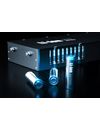
The world of battery development is being transformed by the intricate chemistry of electrodes. They play a key role in enhancing energy densities and overall battery performance. This can be seen in lithium-ion batteries and their application in electric vehicles.
Recent advancements in electrode material science, spanning from the implementation of graphite anodes to the exploration of solid electrolytes, are not only redefining energy storage capabilities, but are also crucial in t
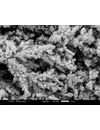
Low-pressure plasma applications are pivotal in the advancement of materials science and surface engineering. They offer unparalleled precision and control in the modification and synthesis of surface coatings and films.
High Power Impulse Magnetron Sputtering (HiPIMS), Diamond-Like Carbon (DLC) coatings, plasma etching, Atomic Layer Deposition (ALD), and Pulsed Laser Deposition (PLD) coatings stand at the forefront of these technologies. The efficacy and efficiency of these processes